
Home Blog Page 12
Anibor Kragha
By Anibor Kragha, Executive Secretary, African Refiners & Distributors Association (ARDA) (https://ARDA.Africa/).External expectations have framed Africa's role in the energy transition for years. Despite facing different realities, such as limited infrastructure, restricted access to capital, and less influence in global energy policy, it has been assumed that Africa will follow the same decarbonisation path as developed economies.This...

Ajong Mbapndah
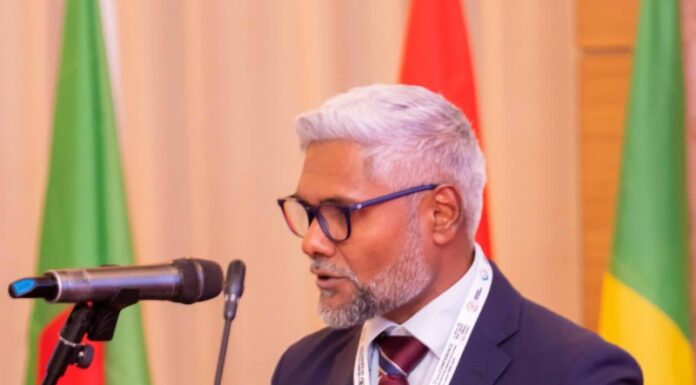
In 2021, when the African Energy Chamber (AEC) announced the inaugural African Energy Week (AEW) in Cape Town, many raised skeptical eyebrows. The conventional wisdom was clear: world-class energy summits belonged in Dubai, Houston, or London - not in Africa. Yet, NJ Ayuk, the AEC’s Executive Chairman, saw a different story -one rooted in possibility and pride. “Africa...
Africa stands at a turning point. Home to nearly a fifth of the world’s population but responsible for less than 3% of global trade, the continent continues to punch below its weight. The reasons are well documented: weak infrastructure, fragmented policies, and slow adoption of digital systems. The real challenge is not only to bridge the divide...
Control Risks’ 10th Africa Risk-Reward Index
Control Risks (www.ControlRisks.com), the global specialist risk consultancy, today released the 10th edition of its flagship Africa Risk-Reward Index (ARRI), developed in partnership with Oxford Economics Africa. The 2025 edition of the ARRI marks almost a decade of tracking the economies of 24 African markets, ensuring  the political, security and economic insights remain truly data-driven.
With just one month to go before the African Mining Week (AMW) conference, global mining stakeholders are preparing for industry-shaping discussions, deal signings and new partnerships at Africa’s premier gathering for mining stakeholders. Scheduled for October 1–3, 2025, in Cape Town, AMW takes place under the theme From Extraction to Beneficiation: Unlocking Africa’s Mineral Wealth, uniting African stakeholders with global partners to enhance investment flows across the mining value chain. AMW 2025 has confirmed the participation of six African mining ministers including Martin Gama Abucha, Minister of Mining for South Sudan; Winston Chitando, Minister of Mines and Mining Development for Zimbabwe; Kenneth Zikhale Reeves Ng'oma, Minister of Mining for Malawi; Teddy Lwamba, Minister of Hydraulic Resources and Electricity for the Democratic Republic of Congo (DRC); Emmanuel Kofi Buah, Ghana’s Minister of Lands and Natural Resources; and Karim Badawi, Egypt’s Minister of Petroleum and Mineral Resources. The ministers will engage in the Ministerial Forum, exclusive fireside chats and country spotlights, where they are expected to showcase policies aimed at attracting investments. The event will also feature high-level regulatory authorities including Moses Micheal Engadu, Secretary General of the African Union’s Africa Minerals Strategy Group and Khadidja Hassane Abdoulaye, Secretary of State for Petroleum, Mines and Geology for Chad. Sponsored by various stakeholders from across the industry, including the Africa Finance Corporation (AFC), Rand Refinery, Sidley Austin, OilDynamics, Moore Global and Power Trake, AMW will unite global investors with African projects. The event will feature investors such as the AFC, International Development Corporation of South Africa, African Infrastructure Investment Managers, World Mining Investment and Standard Bank, showcasing financing tools and strategies driving capital flows into Africa’s mining and infrastructure projects. In support of Africa’s mineral production increase agenda, AMW 2025 will feature leading mineral producers, showcasing industry milestones, ongoing projects and strategies for resource development and monetization. Participating producers include Implats, Valterra Platinum, Ivanhoe Mines, Pensana, B2Gold, First Quantum Minerals, Goldfields and Typhoon Greenfield Development. In addition, downstream players such as Rand Refinery – one of the world’s largest integrated metal refining facilities – Isondo Precious Metals, Toyota SA and others will highlight value-addition strategies in support of Africa’s beneficiation and local processing drive. AMW will also spotlight the energy–mining nexus, featuring insights from Francesco La Camera, Secretary General, International Renewable Energy Agency, and representatives from renewables firms JUWI, Solink and energy services company OilDynamics. The conference will run in parallel with African Energy Week: Invest in African Energies, creating a platform for collaboration between energy and mining stakeholders. AMW 2025’s three-day agenda will also feature contributions from research institutions, academia and legal experts, including S&P Global Insights, Columbia Business School, Chatham House, Sidley Austin, Moore Global, Minexx, and Project Blue, who are expected to shape discussions on policy, market trends and the future of African mining. The event will also feature an exhibition space, showcasing technologies, services and expertise from across the mining value chain. With one month to go, stakeholders have time to secure their place at Africa’s premier mining event. Sponsors, exhibitors and delegates can learn more by contacting sales@energycapitalpower.com.
With just one month to go before the African Mining Week (AMW) conference, global mining stakeholders are preparing for industry-shaping discussions, deal signings and new partnerships at Africa’s premier gathering for mining stakeholders.  Scheduled for October 1–3, 2025, in Cape Town, AMW takes place under the theme From Extraction to Beneficiation: Unlocking Africa’s Mineral...
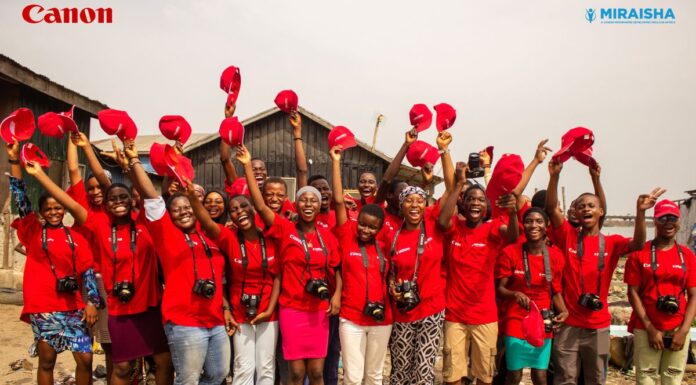
Canon Miraisha programme partners with Maono Africa to train youth in photography and filmmaking in Dandora, Nairobi. The initiative has empowered over 7,000 creatives across 11 African countries, with a goal to train 10,000 by 2030. A decade ago, Canon (www.Canon-CNA.com) took a bold step toward creating sustainable, creative livelihoods across Africa. It began in Kenya, where the very first Miraisha programme was launched, laying the foundation for what has now become a continent-wide initiative blending opportunity, skill, and storytelling. Today, Canon Central and North Africa proudly announces a new chapter in this journey. Under the Canon Miraisha programme, the brand is partnering with a grassroot organization in Dandora, Nairobi- Maono Africa, to provide essential training in photography and filmmaking to underserved youth and young mothers. The Miraisha programme, named from a fusion of Japanese and Swahili words to reflect both Canon’s heritage and its commitment to Africa, has become a symbol of transformation. Since its inception in 2014, Miraisha has trained over 7,000 aspiring creators across 11 African countries, with over 650 participants earning paid commissions, and more than 450 having their work published, screened, or exhibited. The program aims to impact 10,000 participants by 2030, not just with skills, but with tangible career pathways in the creative industry. "Kenya is where Miraisha first came to life, and it continues to hold a special place in our hearts,” said Somesh Adukia, Managing Director of Canon Central and North Africa. “Our new partnership with Maono Africa is deeply aligned with the Miraisha vision- of not only teaching skills but creating real, lasting impact in communities. These organizations are doing extraordinary work, and together we aim to inspire, train, and uplift the next generation of storytellers in Dandora and beyond.” Through this partnership, Canon and its community collaborators will offer specialized training in visual storytelling, tailored to the unique needs and aspirations of each group. Maono Africa, whose work spans sport and arts, education and skills development, health and Advocacy, will collaborate on the same modules while engaging a broader youth demographic through the lens of purpose-driven storytelling. “At Maono Africa, our mission has always been to give young people the tools to reimagine their future. Storytelling through photography and film is one of the most powerful ways to do that. This partnership with Canon Miraisha allows us to not only train but also empower youth in Dandora to create stories that reflect their reality, resilience, and aspirations,” said Kenneth Owili, Founder of Maono Africa. The ongoing photography and filmmaking workshops, scheduled between August and October 2025, will combine in-person training sessions with virtual webinars. Participants will explore a wide range of modules covering the fundamentals of visual storytelling- spanning photography techniques, exposure, composition, as well as key aspects of filmmaking such as shooting, screen direction, and practical assessments. With over 33 successful partnerships across the region and 25 locally trained Canon instructors, Miraisha has always been about more than just teaching- it’s about creating futures. As Canon Miraisha steps into its second decade, partnerships like this reaffirm the brand’s belief: the future of Africa’s creative industry lies not in foreign investment alone, but in the power of local voices, visions, and stories- ready to be told, captured, and celebrated.

Maono Africa, whose work spans sport and arts, education and skills development, health and Advocacy, will collaborate on the same modules while engaging a broader youth demographic through the lens of purpose-driven storytelling Canon Miraisha programme partners with Maono Africa to train youth in photography and filmmaking in Dandora, Nairobi. 
Azentio Software (www.Azentio.com) , a leading technology enabler in the BFSI space, announced the launch of Azentio Loan Origination, its next-generation product that redefines how financial institutions scale credit operations across retail, SME, and corporate segments, and supports both conventional and Islamic financing. According to Deloitte (http://apo-opa.co/46lKYvA), today’s lending market demands speed, personalization, and easy digital access. Azentio Loan Origination enables banks and financial institutions to onboard customers quickly, make accurate credit decisions, and provide a seamless borrower experience, all while staying compliant with evolving regulations. Reimagining speed and personalization in lending With Azentio Loan Origination, lenders can launch new products up to 70% faster. Built-in compliance for each region shortens time-to-market from months to weeks. This enables lenders to avoid delays, accelerate innovation, and identify new growth opportunities. Smarter credit decisions for precision and efficiency Azentio’s new loan origination offering streamlines every step of credit decisioning with automation at its core. Its policy-driven framework seamlessly integrates with KYC, AML, and credit bureau systems to reduce approval delays and minimize manual errors. Pre-configured integrations and dynamic workflows make onboarding faster and simpler, helping banks lower drop-offs and improve decision accuracy. With compliance built in for both conventional and Islamic finance, lenders can grow without regulatory risk. Future-ready architecture for scalable growth Azentio Loan Origination is cloud-ready, scalable, and integrates easily with existing technology stacks, enabling financial institutions to expand into new regions. Its open framework ensures resilience, adapts to regulatory change, and supports new capabilities such as advanced analytics and alternative data without causing significant disruptions. “Banks are under pressure to deliver seamless digital experiences while navigating tougher regulatory landscapes,” said Guru L, Senior Vice President, Lending – Product Management, Azentio. “Azentio Loan Origination brings speed, intelligence, and compliance together in a single offering, enabling financial institutions to innovate and scale. With this launch, we are equipping the industry not just to keep pace with change, but to lead it.”
Azentio Software (www.Azentio.com) , a leading technology enabler in the BFSI space, announced the launch of Azentio Loan Origination, its next-generation product that redefines how financial institutions scale credit operations across retail, SME, and corporate segments, and supports both conventional and Islamic financing.According to Deloitte (http://apo-opa.co/46lKYvA), today’s lending market demands speed, personalization, and easy digital access. Azentio...
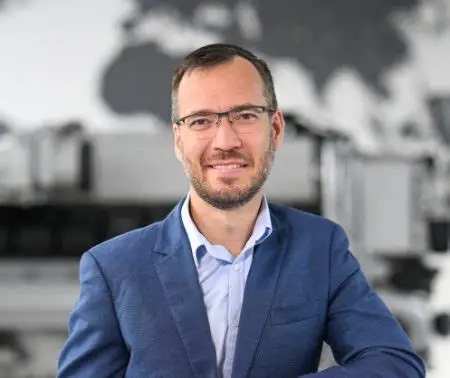
By Cobus Van Schalkwyk, Managing Director, Rolls-Royce Solutions Africa (www.mtu-Solutions.com). Across Africa, the lights are coming on—literally and figuratively. Industrial zones are expanding. Urban populations are booming. Power projects are rising from Kenya to the Cape. But behind this momentum lies a challenge few are discussing: who will build and maintain this future?
African economies have been challenged to boost their investment in research to power the continent’s industrial transformation by accelerating development of homegrown innovations that reinforce autonomy, sustainability, and technological sovereignty. Speaking during the official launch of the African Research and Innovation Hub (ARIH) on the sidelines of the ongoing Intra-African Trade Fair 2025 (IATF2025) in Algiers, the Group Chief Economist and Managing Director for Research at the African Export-Import Bank (Afreximbank) Dr. Yemi Kale noted that while Africa accounts for less than 3% of global research output, it bears a disproportionately higher share of global challenges. “Even more concerning, our research and development spending averages under 0.5% of GDP, far below the global average of 2.2% and far less than the over 4% invested in countries such as South Korea and Israel. However, history shows us that deliberate investment in research ecosystems has been the foundation of industrial transformation. Sustained competitiveness requires research, innovation, and the industrial capacity to transform ideas into products and services that can stand at the frontier of global markets,” Dr Kale said. The hub is a joint initiative of Afreximbank, the African Union and the African Continental Free Trade Area (AfCFTA) Secretariat that aims to promote and commercialise African research and innovation. It provides a platform for academics, researchers, and students to contribute their knowledge and expertise towards advancing Intra-African trade and industrialisation. “ARIH’s mission is to transform intellectual capital into industrial competitiveness and trade-led growth. Studies indicate that if Africa merely doubles its R&D spending to 1% of GDP by 2030, we could unlock an estimated $60–70 billion annually in additional value across agriculture, digital technology, and manufacturing. This would boost productivity, reduce import dependence, and expand Africa’s share of global trade,” Dr Kale argued. Throughout IATF2025, ARIH is running sessions bringing together participants from academia, enterprise, policymakers and investors. Besides the co-convenors, Algeria's Ministry of Higher Education is providing technical coordination for the sessions that include roundtables and pitch sessions for innovative projects and startups. University lecturers and students, as well as scientists and researchers affiliated with National Research Institutions from Africa, and the Diaspora including the Caribbean, have the opportunity to showcase their innovative research and scientific prototypes. Hosted by the People’s Democratic Republic of Algeria, IATF2025 is co-convened by Afreximbank, the African Union Commission and the AfCFTA Secretariat, and is projected to facilitate trade and investment deals worth over US$44 billion. IATF is a platform for businesses to showcase their goods and services to visitors and buyers while exploring opportunities and exchanging information. IATF aims to tap into opportunities from AfCFTA’s single market of over 1.4 billion people and GDP of over US$3.5 trillion. The ongoing IATF2025 is in its fourth edition with the last three editions of IATF cumulatively generating over $118 billion in trade and investment deals and attracting more than 70,000 visitors and 4,500 exhibitors.
African economies have been challenged to boost their investment in research to power the continent’s industrial transformation by accelerating development of homegrown innovations that reinforce autonomy, sustainability, and technological sovereignty. Speaking during the official launch of the African Research and Innovation Hub (ARIH) on the sidelines of the ongoing Intra-African Trade Fair 2025 (IATF2025)...
Since late August 2025, the Kaspersky Global Research and Analysis Team (GReAT) (www.Kaspersky.co.za) has been observing a new malicious campaign leveraging a stealer — a type of malware designed to steal passwords and other account information. The StealC v2 infostealer is being spread through Facebook messages. More than 400 incidents have been identified to date, targeting users across multiple countries, including confirmed cases in Kenya, Angola, Ethiopia, Niger, Uganda and Zambia, among other African* countries. As part of this attack, Facebook users receive messages containing a link disguised as a notification that their account has been blocked. Clicking the link opens a fake support page claiming that the user’s account has been blocked due to suspicious activity. To “restore access,” users are prompted to use the “Appeal” button, which initiates the download of a malicious script that installs the StealC v2, a dangerous malware offered under a Malware-as-a-Service model, on the victim’s device. The malware itself steals passwords, cookies, screenshots, as well as cryptocurrency wallet data. “Cybercriminals often exploit users’ fear of losing account access and a perceived sense of urgency. This pressure can lead individuals to act without caution, increasing the risk of infection by malware such as StealC v2. Users should remain vigilant and always verify the authenticity of messages before clicking any links,” comments Marc Rivero, lead security researcher at Kaspersky's Global Research and Analysis Team. StealC v2, first observed in 2025, significantly enhances the malware’s capabilities and elevates the risk to both individual and corporate users. The original StealC, which emerged in 2023 on dark web platforms, quickly became a sought-after tool among cybercriminals thanks to its accessibility, capabilities and ease of access. To be protected from phishing, Kaspersky recommends corporate and individual users: Practice caution when clicking links. Sometimes emails and websites look just like real ones. It depends on how well the criminals did their homework. But the hyperlinks, most likely, will be incorrect, with spelling mistakes, or they can redirect you to a different place. Look out for urgency or threats. Phishing attempts frequently try to create a sense of urgency or fear. Be cautious of emails demanding immediate action, such as changing a password or providing personal information. Verify unsolicited messages, calls, or links, even if they appear legitimate. Never share 2FA codes. Use Kaspersky Next (https://apo-opa.co/42lrs13) (in corporate environments) or Kaspersky Premium (https://apo-opa.co/4nr4ga5) (for individual use) to block phishing attempts.
Since late August 2025, the Kaspersky Global Research and Analysis Team (GReAT) (www.Kaspersky.co.za) has been observing a new malicious campaign leveraging a stealer — a type of malware designed to steal passwords and other account information. The StealC v2 infostealer is being spread through Facebook messages. More than 400 incidents have been identified to date, targeting users...


MOST POPULAR

HOT NEWS