


KOOLBOKS’ JOURNEY TO BUILD RESILIENT COLD-CHAIN INFRASTRUCTURE ACROSS AFRICA
What if a simple cooling device could unlock income, cut food waste, and strengthen entire communities? In this edition, we explore the story of Koolboks, co-founded by Ayoola Dominic, and how a technology first designed for leisure was reimagined to solve one of Africa’s most urgent challenges, unreliable power and post-harvest loss. From solar-powered freezers and pay-as-you-go financing to local assembly and data-driven scale, this article traces Koolboks’ journey, impact on women-led microbusinesses, and bold vision to build resilient, clean cold-chain infrastructure across the continent.
1. What inspired the start of Koolboks, and how did experiences before founding the company influence the approach today?
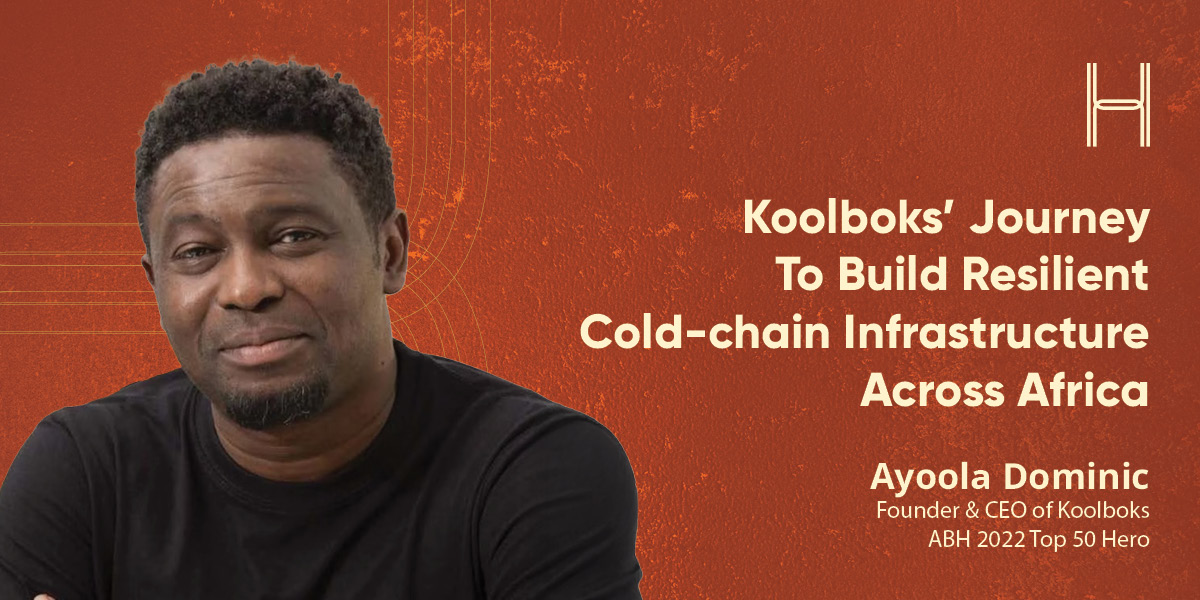
Koolboks was born from a pivotal realization: that technology designed for leisure in Europe could solve a crisis in Africa. The founders, Ayoola Dominic and Deborah Gael, initially developed a powered cooler for camping. However, witnessing the devastating cycle of food waste and reliance on polluting, expensive diesel generators due to unreliable electricity grids, a reality faced by their own families in Nigeria, demanded a profound pivot.
The founders’ combined experience emphasized two key pillars: first, designing a solution perfectly suited to the realities of intermittent power; and second, recognizing the crucial role of financial inclusion. This led to the creation of the Pay-As-You-Go (PAYGO) model, transforming a life-changing asset from a massive capital expense into an affordable, income-generating tool.
2. Which value chains or sectors is Koolboks focused on, and what impact have you seen so far in reducing losses?
Koolboks is strategically focused on tackling the massive 30-40% post-harvest losses that undermine food security and livelihoods across Africa. We primarily target:
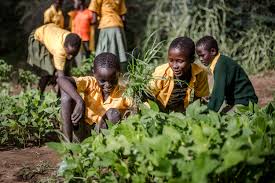
- Farmers, Micro-Entrepreneurs, and Traders: This includes smallholder farmers, women market vendors, and micro-retailers who deal in perishable goods such as fish, meat, beverages, fruits, and vegetables. They form the backbone of local economies and rural trade networks.
- Rural Healthcare: Ensuring the integrity of the cold chain for vaccines and temperature-sensitive medicines in off-grid clinics.
The impact is measured not just in kilowatt-hours saved, but in income stabilization and empowerment. Users report a significant reduction in inventory spoilage and energy costs, often saving up to 50% compared to running diesel. For the small business owners, mostly women, this translates directly to increased daily profit and economic resilience, allowing them to reinvest and grow their livelihoods.
3. Which African markets are you primarily operating in, and how do you decide where to expand next?
Our largest market and operational anchor is Nigeria. We also have strong traction in Kenya and Uganda, having deployed over 10,000 units across approximately 25 countries in total. Our expansion strategy is disciplined, focusing on areas where our solution can create the greatest impact:
- Demand and Need: Prioritizing regions with high energy poverty, acute food waste, and strong reliance on expensive, polluting cooling.
- Ecosystem Readiness: Assessing markets for a functional mobile money or digital payment infrastructure, which is essential for our financing models.
- Localizing Supply Chain: The move to local assembly in Nigeria serves as the blueprint for eventual decentralized assembly in other regional hubs, customizing our approach to local regulations and logistics.