
By George Marenya
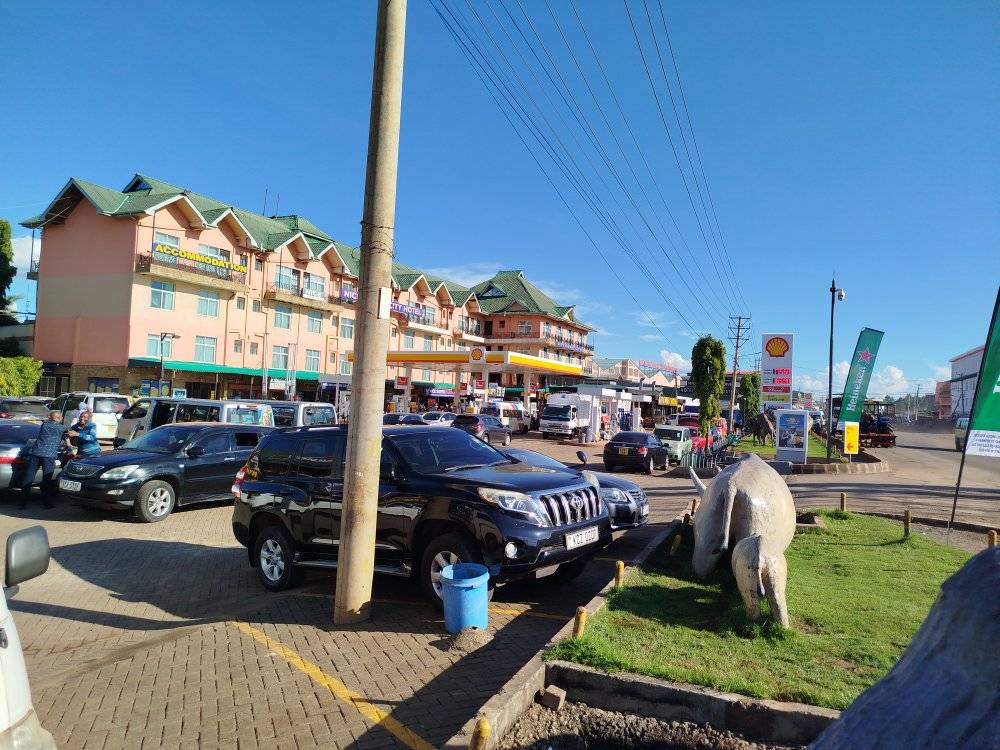
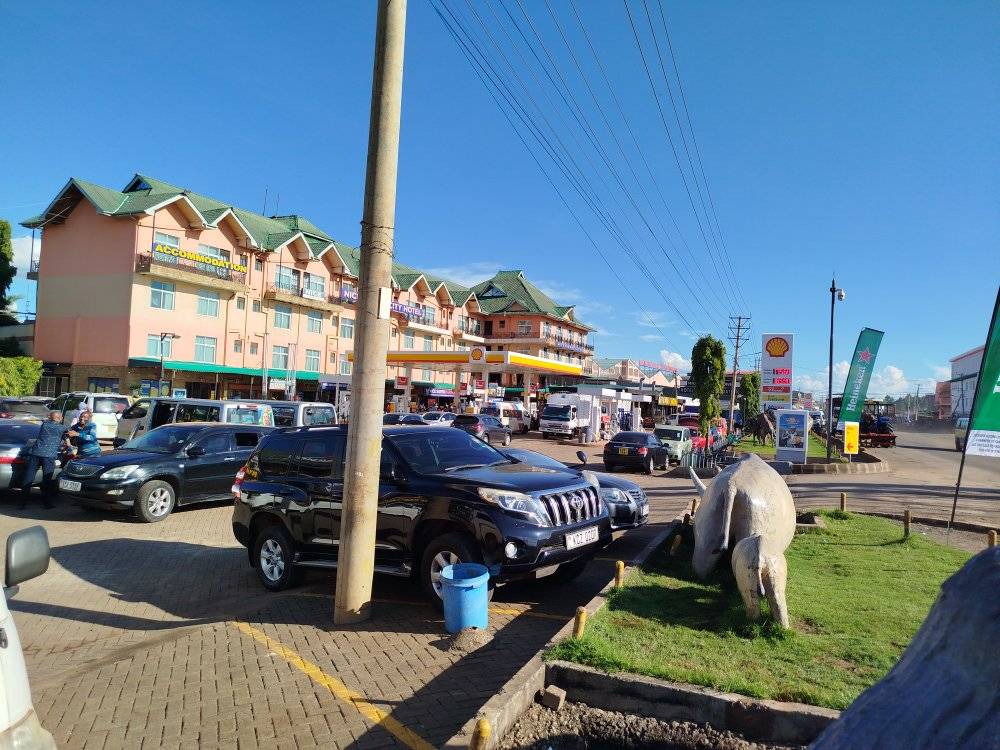
In the fertile plains of Mwea, Kirinyaga County, where endless rice paddies stretch beneath the gaze of Mount Kenya, Nice Digital City stands out like a beacon.
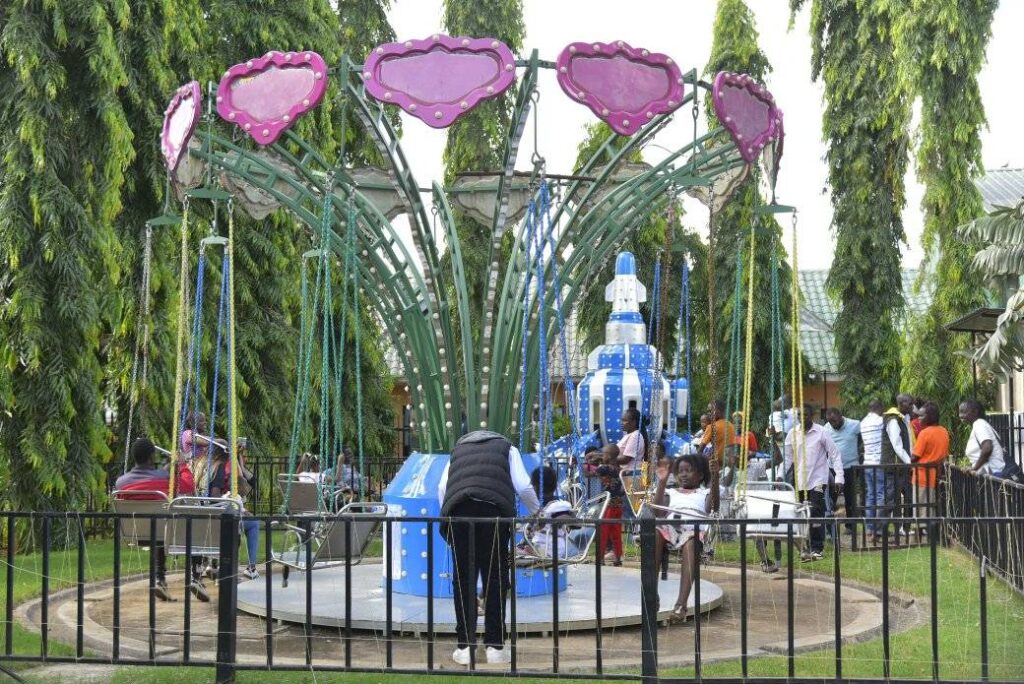
Now a favorite stopover for Embu and Meru bound travelers, the city offers exquisite fine dining and entertainment facilities. The miles of rice paddies on both sides of the road is a feast for the eye. The endless green is only interrupted by human settlement and shopping centers. Nice digital city is not your usual shopping mall. It is more. You enter through the Shell petrol station where charming attendants will tenderly welcome and guide guests to where their needs will be met. Principally, it is a stopover joint for food and refreshments. But there is more. You will fuel your car, shop, eat, sleep, relax, let your kids roll and much more. Apart from Muammar Gaddafi and his female bodyguards, I do not know who else is as big on women empowerment like Nice Digital City.
The waitresses and pump attendants are mostly women. In terms of customer experience Nice Digital City is as good as any five-star hotel in Nairobi.
The focus is on speed, convenience and quality. You are served within two seconds of sitting down. The food itself is the stuff made for kings.
There is this focus on cleanliness that goes beyond staff uniform to the restaurants themselves all the way to the restrooms where plenty of water and soap is their middle name.
Nice Digital City is a bonanza for someone keen on the story of rural development and how enterprises are scaled up.
With the rice economy at the center, Nice Digital City has become our best version of what Americans call motels.
From a mere swamp to a shopping and entertainment village, Nice Digital City can be fashioned as a tourist stop for the development of local tourism around the Mount Kenya Circuit.
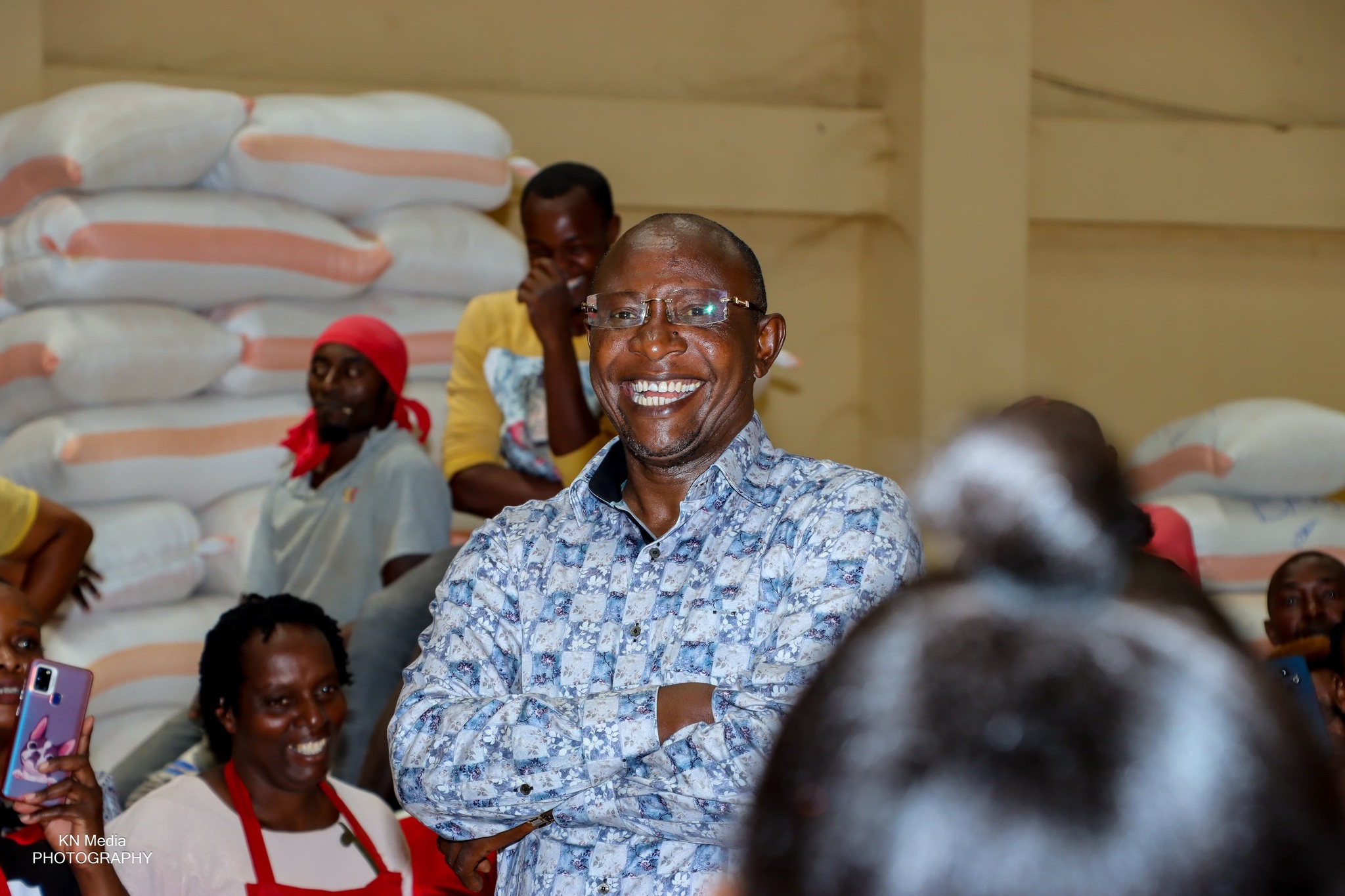
It’s a product of one man’s ambition and vision to transform not just his own life but an entire community. Njiru Mkombozi, the founder of Nice Rice Millers and Nice Digital City rose from a struggling farmer to a leading agripreneur, proving that determination and innovation can turn even the humblest crop into gold.
Njiru is a battle-hardened entrepreneur, having been in the trenches for long before finally striking gold.
He says he tried his hand in eight failed ventures before finally succeeding.
He started out in the 80’s when he was employed as a tailor. He later quit his job to try farming. He grew tomatoes and french beans on a 10-acre piece of land in Karaba village.
With meagre earnings, he quit the farming venture and focused on selling second hand clothes, a business venture that only lasted for two months.
With some savings, he then ventured into the agrochemicals industry by launching an agrovet that supplied pesticides to farmers. This business did not survive, thanks to what he terms as cut throat competition.
Njiru would later venture into the Matatu industry, supply of construction materials and sand transport business before trying his hand in a brewery, which opened the way for his breakthrough.
Once he had set up the brewery business, he failed to secure a license. Not one to give up, he converted the facility into a maize milling factory. With not enough rains, maize was doing badly in the area. However, he noticed that one crop was always thriving-rice. And farmers were having surplus harvests.
Seeing a big gap, he converted his maize milling business into a rice miller and as they say, the rest is history.
“Farmers were waiting for three months to have their rice milled at government-owned mills,” he said.
Njiru was born into a family of small-scale rice farmers in Karaba village in Kirinyaga county. Like many in the region, his parents toiled under the sun, harvesting rice that middlemen bought at meager prices. After completing secondary school, Njiru took up farming but quickly realized that without value addition, farmers would always remain poor.
When he finally had established his on rice mill, e as keen to uplift local farmers.
Rice farmers could take their rice to him for milling, and before long, he was the go-to miller in the area.
As rice milling gained traction, Mwea was fast becoming a stop over town for travelers willing to buy rice. Again, Njiru saw the opportunity to cash in and constructed a mall.
Today, Nice Digital City is a haven for travelers. The property rests on 8 acres of land and is a major attraction to locals and travelers.
Njiru’s business empire comprises Nice Digital City, Nice Rice Mills, Nice Charcoal, Nice Mineral Water, Nice Bakeries and Nice Jikos.
Nice Digital City has a supermarket, a 75-bed hotel, swimming pool, chemist and gardens, among other amenities.
He says that visitors can freely use the gardens as long as they spend on food and drinks at the hotel.
His business empire has over 80 permanent staff and about 5,000 others indirectly through transport and retail.
Having made an impact, Njiru says he’s not yet done.
He dreams of taking the Nice rice brand to every county through his wagons, an endeavor that’s already turning into a success.