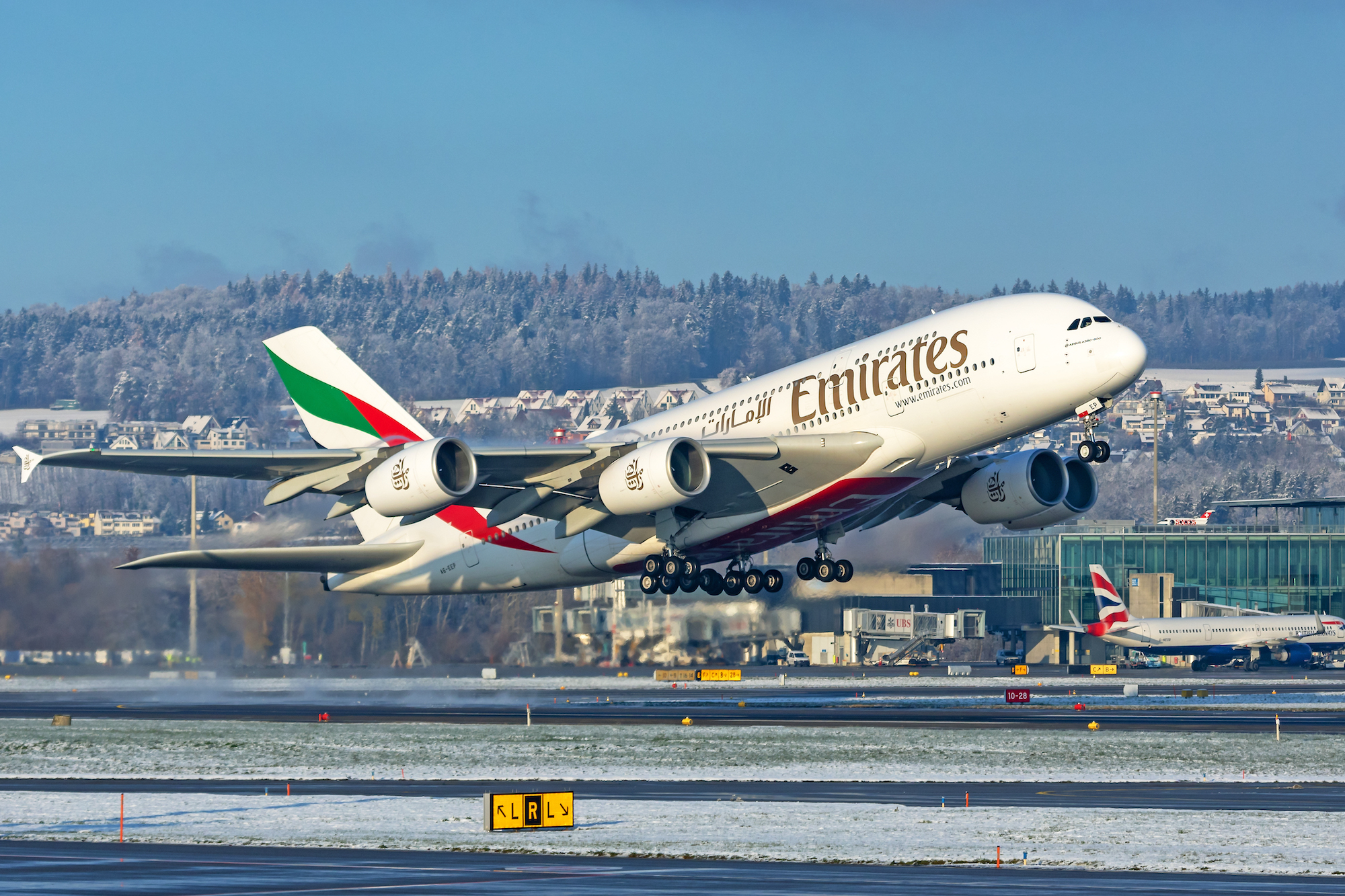
Emirates (www.Emirates.com), the world’s largest international airline, has introduced a first-of-its-kind split-payment solution for travellers in Kenya, through a longstanding strategic partnership with Cellulant, Africa’s leading payments technology company. The split-payment capability, enabled by Tingg, Cellulant’s payment gateway, has debuted in Kenya and is expected to roll out to other African markets in the coming months.
Available on Emirates’ website, Tingg’s split payment feature, offers greater financial flexibility by allowing customers to combine multiple payment methods across mobile money, mobile banking and local credit and debit cards. The partnership also enables customers to make an initial payment online, followed by up to four additional instalments across 24 hours, unlocking greater purchasing power and making airfares more accessible to mobile-first customers.
“With hundreds of millions of Africans relying on mobile money as their preferred way to pay, extending this convenience to global travel payments is essential,” said Michael Muriuki, Chief Product and Technology Officer at Cellulant. “Through Tingg, we are enabling Emirates customers to complete high-value transactions seamlessly, without transaction limits becoming a barrier to access.”
Commenting on the partnership, Christophe Leloup, Emirates’ Country Manager for Kenya, said, “Kenya is one of the most dynamic markets on our global network, and we’re always looking for ways to enhance our customer experience across every touchpoint, including the booking process. By introducing split payments, through Tingg by Cellulant, we unlock greater flexibility and convenience, while enabling more customers to access our world-class product and services.”
Solving a Real Pain Point: the Split-Payment Breakthrough
Mobile money is the dominant form of payment across Africa, with over 1 billion registered mobile money wallets and more than 80 billion transactions totalling over US$1 trillion. Yet despite its widespread adoption, per-transaction and daily limits on mobile wallets often prevent customers from completing high-value purchases, such as international airline tickets, forcing customers to abandon bookings.
By introducing the split-payment solution available through Cellulant’s payment platform, Tingg, Emirates directly addresses this challenge by allowing customers to complete ticket bookings while remaining within provider-imposed limits.
The split-payment feature joins Emirates’ raft of other financing options (https://apo-opa.co/3ZV37Oc), designed to make airfare more accessible to customers. In Kenya, Emirates enables payments through mobile apps such as M-Pesa and Safaricom or via mobile banking transfer, through partner banks, via Cellulant. Across the region, Emirates and Cellulant also facilitate a variety of finance options in 14 markets across Africa such as South Africa, Ghana and Zimbabwe.
The launch comes as Emirates adds a third daily flight on the Dubai–Nairobi route from 1 March 2026, increasing capacity on a corridor that has seen strong demand. In recent months, Emirates has operated its double daily flights at a consistently strong seat factor, reflecting growing demand for air travel between Kenya and global destinations. By pairing the extra flights with locally aligned payment options, Cellulant and Emirates are ensuring that demand is met with accessibility.
To book tickets with split payment, customers can visit the Emirates website.