
AfSEM is expected to be launched in February next year during the African Union Assembly of the Heads of State and Government
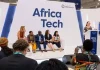
As the Second Ordinary Session of the Sub-Committee on Energy of the African Union Specialized Technical Committee on Transport, Transcontinental and Interregional Infrastructure, Energy and Tourism (STC-TTIIET) take its second day, African Energy Ministers gathered to discuss the implementation status of the Action Plan adopted by the STC-TTIIET held in April 2019 in Cairo, Egypt.
Officially opening the Ministerial Meeting, the Minister of Electricity & Renewable Energy of the Arab Republic of Egypt and Chair of the STC-TTIIET, H.E. Dr. Mohamed Shaker El Markabi said “Africa is the world’s largest treasure trove of clean energy resources and has an important strategic position in global clean development. The huge amounts of energy resources in the continent present opportunities to easily develop the African energy system at the local, national and regional levels, using a combination of both small and large – scale energy technologies in order to achieve energy security”. He further stressed the need to create a conducive environment for all stakeholders to effectively participate in the energy development agenda.
The African Union Commissioner for Infrastructure and Energy, H.E Dr. Amani Abou-Zeid recognized the progress made in the energy sector since the last STC meeting in Cairo. She noted that COVID-19 has posed serious challenges to the sector and implementation of various plans around the continent, but the Commission had marshaled efforts together with partners to ensure the sector remains robust and contributes to recovery.
Dr. Abou-Zeid highlighted that providing universal and modern energy access for all Africans is an enormous challenge that requires collaboration and partnership at various levels. The Commissioner emphasized that “Significant mobilization and coordination strides are required to effectively engage stakeholders in addressing the key barriers to energy sector development on the continent including policy, regulatory, technical, financing and market barriers”, while also calling on stakeholders to double efforts to accelerate energy development in the continent.
The African Union Commission (AUC), the African Energy Commission (AFREC), Pan African Institutions and Partners presented an update on the progress in the implementation of the STC Action Plan since the last meeting of the STC-TTIIET. The presentations revealed that the implementation of the Action Plan is on the right track.
The establishment and operationalization of the African Single Electricity Market (AfSEM) was also discussed where the Policy Paper and Roadmap prepared and validated by the AUC in partnership with the European Union, Member States and stakeholders was presented.
AfSEM is expected to be launched in February next year during the African Union Assembly of the Heads of State and Government. AfSEM’s first phase is projected to be achieved as early as 2023 and full operation is anticipated to be reached by 2040.
The Ministerial meeting also considered and adopted the key recommendations from the Experts’ Meeting and the Ministerial Declaration. In her closing remarks, the AUC Commissioner for Infrastructure and Energy lauded the active participation of the Member States and partners reaffirming AUC’s commitment to work with the Member States and partners in implementing the recommendations reached.