Home Blog Page 15
By Amos Wachira In the industrial hub of Athi River, Machakos County, a quiet revolution is brewing. It doesn't rumble like a diesel generator nor flicker like a kerosene lamp. Its potential energy is stored in invisible molecules, harnessed from one of nature's abundant natural gifts: hydrogen. This is the frontier where Safer Power, a homegrown green energy company, is staking its claim, betting big on green hydrogen to redefine the nation's energy security and industrial future. Founded in 2016, Safer Power is a fully registered and licensed Engineering Procurement and Contracting firm dealing with key projects like Solar, power and energy projects and medium to big size HVAC projects. As the world shifts toward clean energy to combat climate change, green hydrogen, a cleaner and more sustainable alternative to fossil fuel-based energy, has emerged as a game-changer; and Safer Power is among the early proponents of this revolution in Africa. "We looked at why green hydrogen was not peaking in Europe and America," explains Dalmus Mbai, founder and Chief Executive at Safer Power Group. "The cost of production of green hydrogen should be low. With large tracts of land where we can harness the power of the sun to produce hydrogen, Africa stands at a unique position as it can produce green Hydrogen cheaply." Safer Power, a renowned name in Solar energy is dreaming and actualizing a future that will harness the power of Hydrogen. What is Green Hydrogen Hydrogen itself is nothing new. It’s the universe’s most abundant element. The crucial differentiator is how it’s produced. "Grey" hydrogen, the dominant form today, is extracted from natural gas, releasing vast amounts of CO2. "Blue" hydrogen captures some of that CO2, but it's still fossil-fuel dependent. Green hydrogen, however, is produced by splitting water (H2O) into hydrogen and oxygen using electricity generated entirely from renewable sources – solar, wind, hydro, or geothermal. The only emission? Pure oxygen. For decades, Kenya's energy narrative has been a complex tapestry woven with threads of hydropower vulnerability, geothermal promise, and the persistent shadow of expensive, polluting fossil fuels, especially for heavy industry and transport. While significant strides have been made in renewable electricity generation with geothermal and wind leading the charge, decarbonizing sectors like steel, cement, fertilizer production, and long-haul transport remains a colossal challenge. Enter green hydrogen – not just as a global buzzword, but as a tangible solution being forged on Kenyan soil by Safer Power. Led by a Kenyan team combining deep industrial expertise with international energy acumen, Safer Power emerged not just to import a technology, but to indigenize it. Their vision is audacious: to make Kenya a leader in green hydrogen production and utilization within Africa, driving decarbonization, enhancing energy security, and creating high-value jobs. Kenya imports millions of dollars worth of fossil fuels every year. This drains foreign exchange, exposes the country to volatile global prices, and pollutes the environment. "Green hydrogen, produced using our own sun offers a pathway to true energy sovereignty. It’s not just about being green; it’s about being economically resilient and industrially competitive,"explains Mbai during an interview at their headquarters. Safer Power is moving beyond vision into concrete action. They are actively developing a commercial-scale green Hydrogen production facility. Safer Power’s primary focus is in sectors where green energy can make a big economic impact. With Green Hydrogen, Safer Power will be exploring derivatives for cleaner industrial heating and reliable backup power solutions beyond diesel generators. They will also play a significant role in providing clean feedstock for fertilizer production through the use of green ammonia. Mr Mbai says green Hydrogen could bring endless possibilities, like use of hydrogen fuel cell to power electric trucks, buses, and potentially locomotives for long-distance freight for the first time in Kenya. Notably, the transport industry is a known major source of emissions and particulate pollution. "Green Hydrogen has three pronged benefits: It gives us power, hot water and green Ammonia which is made from a combination of nitrogen and oxygen. This green ammonia could be used in our farms to preserve our soils." For any trailblazer, building an ecosystem is one of the most crucial part of the journey as it helps them forge a sustainable way forward. Safer Power understands that pioneering requires more than just production. They are actively engaging in technology partnerships, collaborating with global green Hydrogen players and engineering firms, but with a strong focus on knowledge transfer and local capacity building. Top on their priority list are partnerships with Hydrogen fuel cell manufacturers. "Most people who were not feasible for renewable energy can now be supported using fuel cells on site and generation of green Hydrogen off-site." Another key cog in their Green Energy wheels is Off-taker Agreements. Mr Mbai says the company is actively securing commitments from forward-thinking Kenyan industries eager to decarbonize their operations and secure stable, long-term energy savings. These include their customers who have already installed solar systems. Understanding the power of collaboration, Safer Power works closely with government agencies like the Energy and Petroleum Regulatory Authority (EPRA) and the Ministry of Energy to shape regulations, safety standards, and incentives for green Hydrogen. The company believes a Green Hydrogen future is within reach and Kenya is ripe for it. This is why it invests in training programs to cultivate the next generation of Kenyan hydrogen engineers, technicians, and safety experts. Safer Power's inroads into green hydrogen comes after years of preparation, concept building, testing and future-proofing. For a start, the company had to install capacity in fabricating electrical components that were previously imported into the country, including switchboards, control and synchronization panels, motor control panels, meter boards, distribution boards, generator synchronization panels, battery racks, street lighting poles, high mast street light poles. "We have a sheet metal factory and a panel building and assembly workshop that is fully licensed by Schneider Electric where we assemble our own control panels and related components," says the Safer Power founder. For many years, Safer Power has build it's name in Solar energy, supplying energy solutions including solar panels, inverters and batteries to a diverse domestic and industrial clientele. Recently, the company has morphed into an integrated Solar energy plant installer with a number of big photovoltaic projects under their belt. These include an innovative 800kWp Photovoltaic system for Del Monte Kenya, and a Solar Photovoltaic plant with energy storage system of 100kWp and a 630A Low Voltage Board with a 80kVa capacity for Kingston Beach Hotel. They have also completed and commissioned energy projects at Konza City, EPZA, Ghana High Commission, Kenya Ports Authority, Stoni Athi Resort, CBK Pension towers among others. Having helped companies and industries go green, the next frontier for Safer Power heralds a new exciting chapter. The odds are already favoring their green hydrogen aspirations. Firstly, Kenya's potential as a green hydrogen powerhouse is exceptional. Blessed with some of the world's highest solar irradiance, Kenya boasts a clean electricity potential poised for massive exploration and expansion. Secondly, the country 's strategic location is a positive factor. Positioned as an East African hub and gateway, Kenya can serve both domestic demand and potentially export green hydrogen derivatives like ammonia or synthetic fuels to regional and international markets. Safer Power looks to harness this advantage to supply the country and it's neighbors with green hydrogen and its derivatives. The policy momentum only asserts the fact that the country is ready to explore the prospects of Green Hydrogen and Safer Power will be among the frontrunners to realize this dream, according to Mr Mbai. The Kenyan government's commitment to clean energy, evidenced by ambitious targets in the Green Hydrogen Strategy and Roadmap 2023q creates a supportive, though evolving, regulatory landscape. The implications of Safer Power’s mission extend far beyond the production of a clean fuel. Establishing a green hydrogen industry creates high-skill jobs in engineering, manufacturing, plant operation, and logistics. It attracts significant foreign direct investment aligned with global decarbonization trends. Local manufacturing of components creates jobs. "We are bridging the renewable energy gap by bringing affordable solutions closer to our people," says Mr Mbai. Safer Power will be manufacturing most components needed for Green Hydrogen cutting down on imports." Navigating the hurdles The path Safer Power treads is not without significant hurdles. It's paved with high initial costs. Green Hydrogen plants, components and associated infrastructure for storage and transportation require massive upfront capital investment. Kenya currently lacks a dedicated hydrogen transport and distribution network. Building this requires coordinated effort between government and private players. Fortunately, Safer Power has figured out a way of transporting the gas. "We will use hydrogen tanks of 10kgs and 1000kgs to transport Hydrogen. 1 kg of Hydrogen can produce up to 30kW of power." While supportive, the regulatory framework for hydrogen production, storage, transportation, and safety is still nascent in Kenya and across much of Africa. Clarity and certainty are vital for investors. Building reliable domestic demand from industries while simultaneously exploring export opportunities requires careful market development and competitive pricing, a road that Safer Power is already exploring. Safer Power acknowledges these challenges head-on. "The technology costs are coming down rapidly globally, and our renewable advantages give us a competitive edge. We are working tirelessly with all stakeholders – government, financiers, off-takers, communities – to build the enabling environment." Safer Power’s journey is being watched closely, not just in Kenya, but across the continent. Africa holds immense potential to become a global green hydrogen powerhouse, leveraging its unparalleled solar and wind resources to produce clean fuel for domestic use and export, fueling sustainable industrialization. Safer Power is demonstrating that this isn't just a distant dream for Kenya but a viable strategy being implemented by Africans, for Africa. Their success could catalyze a wave of similar initiatives, positioning Kenya and the wider continent at the forefront of the next global energy transition. It’s about capturing the value of Hydrogen as a storable, versatile fuel that can power factories, move goods, and fertilize crops – all without poisoning the air. Imagine a future where factories are powered by green Hydrogen, where trucks transporting goods from Mombasa to Kampala emit only water vapour. Where fertilizer for Kenyan farms is produced using green ammonia, free from the carbon footprint of imported variants. Where industrial zones hum with activity powered by the sun and captured in hydrogen molecules. This is the future Safer Power is diligently building. They are more than an energy company. They are architects of a new industrial paradigm for Kenya. By harnessing the nation's abundant renewable gifts through the alchemy of green hydrogen, Safer Power isn't just generating a clean fuel but igniting a beacon of sustainable innovation. Safer Power proves that Kenya is not a mere power consumer, but a leader in the global clean energy economy. The green hydrogen flame is rising in Kenya, and Safer Power is holding the torch.
Business Insights Africa sat down with Dalmus Mbai, founder and CEO, safer Power Group. Excerpts. Safer Power has been a leader in renewable energy solutions in Kenya, primarily solar and battery storage. Now, you're announcing a major leap into green hydrogen production. Why this shift?   It’s not so much a...
Blockchain fintech deepens impact with Tether partnership and acquisition of Dubai International Financial Center (DIFC) Innovation License Shiga Digital, a fast-growing fintech company focused on blockchain-based financial applications, is redefining how pan-African businesses access and interact with modern financial services while unlocking the transformative potential of blockchain finance to empower Africa's economic growth. Shiga Digital has recently been awarded the prestigious DIFC (Dubai International Financial Centre) Innovation License, marking a significant regulatory milestone that underscores the company's commitment to operating within a robust and well-respected regulatory framework. The additional license, overseen by the Dubai Financial Services Authority (DFSA), provides Shiga Digital with enhanced credibility and regulatory certainty as it continues to expand its blockchain-based financial services across Africa. The DIFC Innovation License positions Shiga Digital within one of the world's leading financial centers, offering access to a sophisticated ecosystem of banks, asset managers, and financial service providers while operating under a clear regulatory framework specifically designed for virtual assets and blockchain technology. This achievement reinforces the company's dedication to compliance and building trust with stakeholders across the continent. Shiga Digital's platform was built specifically for African businesses seeking alternatives to legacy financial systems. By integrating blockchain-based tools, the company simplifies payments, enables faster cross-border trade, offers treasury management solutions, and provides transparent access to stable, secure digital finance. As a professional partner, Shiga Digital makes it easy for companies to start using blockchain technology, removing the traditional barriers that have made it difficult for businesses to leverage these powerful tools without an intermediary. The blockchain enables remarkable efficiency in critical business areas including payment processing, cross-border transactions, treasury operations, and financial reporting. However, in its current state, without an intermediary like Shiga Digital, it remains very difficult for most businesses to effectively leverage blockchain technology. This is precisely why Shiga Digital's solutions have become the go-to choice for forward-thinking African companies. Shiga Digital's capabilities were recently further boosted by a significant investment and formation of a strategic partnership with Tether, the largest company in the digital asset industry. This move signals growing international confidence in Africa's fintech potential and Shiga Digital's innovative approach to making blockchain finance accessible across the continent. The company is now uniquely positioned to help grow blockchain adoption among both customers and regulators alike, thanks to its deep understanding of African markets, regulatory compliance expertise, and commitment to building locally relevant solutions. By partnering with licensed financial transmitters in each of its markets, Shiga Digital ensures its services are fully compliant and aligned with applicable regulatory requirements, fostering trust and confidence among stakeholders. "Africa is on the cusp of a financial transformation, and at Tether, we believe in being more than just observers; we are active enablers," said Paolo Ardoino, Chief Executive Officer at Tether. "Our strategic alliance with Shiga Digital is rooted in a shared belief that access to stable, secure, and scalable financial tools should not be a privilege, but a right. This partnership represents a long-term commitment to equipping African businesses with the technology and infrastructure needed to thrive in an increasingly digital global economy. Together, we are unlocking new pathways for growth and innovation and helping to shape a more inclusive financial future for the continent." "At Shiga Digital, we're not just developing technology, we're building the infrastructure that will power Africa's financial future," added Abiola Shogbeni, Co-Founder and Chief Executive Officer at Shiga Digital. "Our mission is to level the financial playing field by equipping African businesses with blockchain tools that are intuitive, reliable, and locally relevant. We've experienced firsthand how seamless financial services can be in developed markets, and our goal is to make that a reality on the African continent as well. The opportunity before us is immense, blockchain finance has the power to empower Africa in unprecedented ways, and we're working tirelessly to enable this transformation for our customers." "What sets Shiga Digital apart is not just what we're building, but why and how we're building it – blockchain-based technology that makes digital finance accessible and relevant to African businesses," said Dami Etomi, Co-Founder and Chief Operating Officer at Shiga Digital. "Our partnership with Tether is more than financial backing; it's a strategic alliance rooted in a shared commitment to empowering the future of digital finance in Africa. The DIFC Innovation License further validates our approach and commitment to regulatory excellence. Together, we're co-creating solutions and scaling impact to ensure African businesses are not only included but thrive in the global digital economy." The company's end-to-end platform, available via https://Shiga.io, offers businesses a reliable alternative to traditional banking systems, enabling seamless cross-border trade, simplifying stablecoin payments, providing comprehensive treasury management capabilities, and offering access to secure digital asset investments. By combining global technical standards with local insights, Shiga Digital's unique perspective enables the fintech to deliver intuitive and effective tools specifically designed for businesses across the African continent which can be accessed via web application and will soon be available via mobile app for iOS and Android devices. Aligning with its vision of a world where financial freedom is not a privilege but a fundamental right, Shiga Digital's innovative solutions are empowering African businesses with cutting-edge digital financial tools that harness the full potential of blockchain technology to drive economic growth and prosperity across the continent.
Blockchain fintech deepens impact with Tether partnership and acquisition of Dubai International Financial Center (DIFC) Innovation License Shiga Digital, a fast-growing fintech company focused on blockchain-based financial applications, is redefining how pan-African businesses access and interact with modern financial services while unlocking the transformative potential of blockchain finance to empower Africa's economic growth.
By Amos Wachira In the industrial hub of Athi River, Machakos County, a quiet revolution is brewing. It doesn't rumble like a diesel generator nor flicker like a kerosene lamp. Its potential energy is stored in invisible molecules, harnessed from one of nature's abundant natural gifts: hydrogen. This is the frontier where Safer Power, a homegrown green energy company, is staking its claim, betting big on green hydrogen to redefine the nation's energy security and industrial future. Founded in 2016, Safer Power is a fully registered and licensed Engineering Procurement and Contracting firm dealing with key projects like Solar, power and energy projects and medium to big size HVAC projects. As the world shifts toward clean energy to combat climate change, green hydrogen, a cleaner and more sustainable alternative to fossil fuel-based energy, has emerged as a game-changer; and Safer Power is among the early proponents of this revolution in Africa. "We looked at why green hydrogen was not peaking in Europe and America," explains Dalmus Mbai, founder and Chief Executive at Safer Power Group. "The cost of production of green hydrogen should be low. With large tracts of land where we can harness the power of the sun to produce hydrogen, Africa stands at a unique position as it can produce green Hydrogen cheaply." Safer Power, a renowned name in Solar energy is dreaming and actualizing a future that will harness the power of Hydrogen. What is Green Hydrogen Hydrogen itself is nothing new. It’s the universe’s most abundant element. The crucial differentiator is how it’s produced. "Grey" hydrogen, the dominant form today, is extracted from natural gas, releasing vast amounts of CO2. "Blue" hydrogen captures some of that CO2, but it's still fossil-fuel dependent. Green hydrogen, however, is produced by splitting water (H2O) into hydrogen and oxygen using electricity generated entirely from renewable sources – solar, wind, hydro, or geothermal. The only emission? Pure oxygen. For decades, Kenya's energy narrative has been a complex tapestry woven with threads of hydropower vulnerability, geothermal promise, and the persistent shadow of expensive, polluting fossil fuels, especially for heavy industry and transport. While significant strides have been made in renewable electricity generation with geothermal and wind leading the charge, decarbonizing sectors like steel, cement, fertilizer production, and long-haul transport remains a colossal challenge. Enter green hydrogen – not just as a global buzzword, but as a tangible solution being forged on Kenyan soil by Safer Power. Led by a Kenyan team combining deep industrial expertise with international energy acumen, Safer Power emerged not just to import a technology, but to indigenize it. Their vision is audacious: to make Kenya a leader in green hydrogen production and utilization within Africa, driving decarbonization, enhancing energy security, and creating high-value jobs. Kenya imports millions of dollars worth of fossil fuels every year. This drains foreign exchange, exposes the country to volatile global prices, and pollutes the environment. "Green hydrogen, produced using our own sun offers a pathway to true energy sovereignty. It’s not just about being green; it’s about being economically resilient and industrially competitive,"explains Mbai during an interview at their headquarters. Safer Power is moving beyond vision into concrete action. They are actively developing a commercial-scale green Hydrogen production facility. Safer Power’s primary focus is in sectors where green energy can make a big economic impact. With Green Hydrogen, Safer Power will be exploring derivatives for cleaner industrial heating and reliable backup power solutions beyond diesel generators. They will also play a significant role in providing clean feedstock for fertilizer production through the use of green ammonia. Mr Mbai says green Hydrogen could bring endless possibilities, like use of hydrogen fuel cell to power electric trucks, buses, and potentially locomotives for long-distance freight for the first time in Kenya. Notably, the transport industry is a known major source of emissions and particulate pollution. "Green Hydrogen has three pronged benefits: It gives us power, hot water and green Ammonia which is made from a combination of nitrogen and oxygen. This green ammonia could be used in our farms to preserve our soils." For any trailblazer, building an ecosystem is one of the most crucial part of the journey as it helps them forge a sustainable way forward. Safer Power understands that pioneering requires more than just production. They are actively engaging in technology partnerships, collaborating with global green Hydrogen players and engineering firms, but with a strong focus on knowledge transfer and local capacity building. Top on their priority list are partnerships with Hydrogen fuel cell manufacturers. "Most people who were not feasible for renewable energy can now be supported using fuel cells on site and generation of green Hydrogen off-site." Another key cog in their Green Energy wheels is Off-taker Agreements. Mr Mbai says the company is actively securing commitments from forward-thinking Kenyan industries eager to decarbonize their operations and secure stable, long-term energy savings. These include their customers who have already installed solar systems. Understanding the power of collaboration, Safer Power works closely with government agencies like the Energy and Petroleum Regulatory Authority (EPRA) and the Ministry of Energy to shape regulations, safety standards, and incentives for green Hydrogen. The company believes a Green Hydrogen future is within reach and Kenya is ripe for it. This is why it invests in training programs to cultivate the next generation of Kenyan hydrogen engineers, technicians, and safety experts. Safer Power's inroads into green hydrogen comes after years of preparation, concept building, testing and future-proofing. For a start, the company had to install capacity in fabricating electrical components that were previously imported into the country, including switchboards, control and synchronization panels, motor control panels, meter boards, distribution boards, generator synchronization panels, battery racks, street lighting poles, high mast street light poles. "We have a sheet metal factory and a panel building and assembly workshop that is fully licensed by Schneider Electric where we assemble our own control panels and related components," says the Safer Power founder. For many years, Safer Power has build it's name in Solar energy, supplying energy solutions including solar panels, inverters and batteries to a diverse domestic and industrial clientele. Recently, the company has morphed into an integrated Solar energy plant installer with a number of big photovoltaic projects under their belt. These include an innovative 800kWp Photovoltaic system for Del Monte Kenya, and a Solar Photovoltaic plant with energy storage system of 100kWp and a 630A Low Voltage Board with a 80kVa capacity for Kingston Beach Hotel. They have also completed and commissioned energy projects at Konza City, EPZA, Ghana High Commission, Kenya Ports Authority, Stoni Athi Resort, CBK Pension towers among others. Having helped companies and industries go green, the next frontier for Safer Power heralds a new exciting chapter. The odds are already favoring their green hydrogen aspirations. Firstly, Kenya's potential as a green hydrogen powerhouse is exceptional. Blessed with some of the world's highest solar irradiance, Kenya boasts a clean electricity potential poised for massive exploration and expansion. Secondly, the country 's strategic location is a positive factor. Positioned as an East African hub and gateway, Kenya can serve both domestic demand and potentially export green hydrogen derivatives like ammonia or synthetic fuels to regional and international markets. Safer Power looks to harness this advantage to supply the country and it's neighbors with green hydrogen and its derivatives. The policy momentum only asserts the fact that the country is ready to explore the prospects of Green Hydrogen and Safer Power will be among the frontrunners to realize this dream, according to Mr Mbai. The Kenyan government's commitment to clean energy, evidenced by ambitious targets in the Green Hydrogen Strategy and Roadmap 2023q creates a supportive, though evolving, regulatory landscape. The implications of Safer Power’s mission extend far beyond the production of a clean fuel. Establishing a green hydrogen industry creates high-skill jobs in engineering, manufacturing, plant operation, and logistics. It attracts significant foreign direct investment aligned with global decarbonization trends. Local manufacturing of components creates jobs. "We are bridging the renewable energy gap by bringing affordable solutions closer to our people," says Mr Mbai. Safer Power will be manufacturing most components needed for Green Hydrogen cutting down on imports." Navigating the hurdles The path Safer Power treads is not without significant hurdles. It's paved with high initial costs. Green Hydrogen plants, components and associated infrastructure for storage and transportation require massive upfront capital investment. Kenya currently lacks a dedicated hydrogen transport and distribution network. Building this requires coordinated effort between government and private players. Fortunately, Safer Power has figured out a way of transporting the gas. "We will use hydrogen tanks of 10kgs and 1000kgs to transport Hydrogen. 1 kg of Hydrogen can produce up to 30kW of power." While supportive, the regulatory framework for hydrogen production, storage, transportation, and safety is still nascent in Kenya and across much of Africa. Clarity and certainty are vital for investors. Building reliable domestic demand from industries while simultaneously exploring export opportunities requires careful market development and competitive pricing, a road that Safer Power is already exploring. Safer Power acknowledges these challenges head-on. "The technology costs are coming down rapidly globally, and our renewable advantages give us a competitive edge. We are working tirelessly with all stakeholders – government, financiers, off-takers, communities – to build the enabling environment." Safer Power’s journey is being watched closely, not just in Kenya, but across the continent. Africa holds immense potential to become a global green hydrogen powerhouse, leveraging its unparalleled solar and wind resources to produce clean fuel for domestic use and export, fueling sustainable industrialization. Safer Power is demonstrating that this isn't just a distant dream for Kenya but a viable strategy being implemented by Africans, for Africa. Their success could catalyze a wave of similar initiatives, positioning Kenya and the wider continent at the forefront of the next global energy transition. It’s about capturing the value of Hydrogen as a storable, versatile fuel that can power factories, move goods, and fertilize crops – all without poisoning the air. Imagine a future where factories are powered by green Hydrogen, where trucks transporting goods from Mombasa to Kampala emit only water vapour. Where fertilizer for Kenyan farms is produced using green ammonia, free from the carbon footprint of imported variants. Where industrial zones hum with activity powered by the sun and captured in hydrogen molecules. This is the future Safer Power is diligently building. They are more than an energy company. They are architects of a new industrial paradigm for Kenya. By harnessing the nation's abundant renewable gifts through the alchemy of green hydrogen, Safer Power isn't just generating a clean fuel but igniting a beacon of sustainable innovation. Safer Power proves that Kenya is not a mere power consumer, but a leader in the global clean energy economy. The green hydrogen flame is rising in Kenya, and Safer Power is holding the torch.
By Amos Wachira In the industrial hub of Athi River, Machakos County, a quiet revolution is brewing. It doesn't rumble like a diesel generator nor flicker like a kerosene lamp. Its potential energy is stored in invisible molecules, harnessed from one of nature's abundant natural gifts: hydrogen. This is the frontier where...
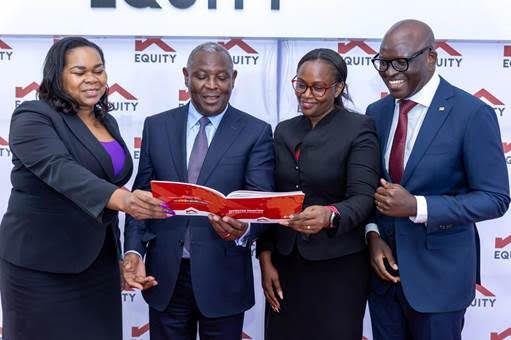
128 Equity Leadership Program scholars have secured admission and scholarships to join 63 global universities located in 20 countries around the world. Equity Group Foundation (EGF) Executive Chairman Dr. James Mwangi commissioned the airlift of the 128 scholars drawn from the Equity Leaders Program in four countries – Kenya (87), Rwanda (33), Uganda (4) and the Democratic...
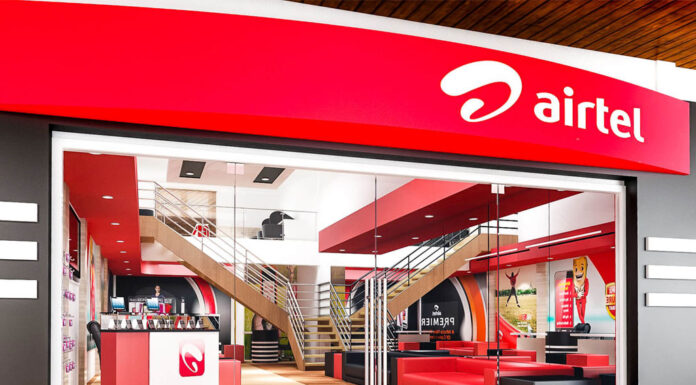
Airtel Kenya has crossed the 24 million subscriber mark through its network campaign as expansion plans continue. This achievement, highlighted in the latest Communications Authority of Kenya (CA) sector statistics report, reflects growing public trust in Airtel’s commitment to serve all Kenyans, from urban centres to the most remote parts of the country. Speaking during the launch of the ‘Na Bado Tunagrow’ network coverage campaign, Airtel Kenya Managing Director Ashish Malhotra spoke on Airtel’s commitment to prioritising innovation to meet the changing needs of customers. “We are deeply humbled by the support of over 24 million customers who continue to believe in us. This is not the destination, it is part of a longer journey. We are committed to Kenya, and whilst we have made huge investments, our mission of enriching lives and driving progress is still not done,” said Airtel Kenya Managing Director, Ashish Malhotra. Over the years, Airtel has steadily and heavily invested in the country to better serve Kenyans. The investments span network, customer care touch points and distribution infrastructure. Through Airtel Money, the company has also endeavored to bridge the financial inclusion gap in the country with its financial services offerings. Courtesy of the rapid Airtel network expansion in the North Eastern region of the country last year, Kenyans in the underserved areas of Mandera, Wajir, and Garissa can now access connectivity and digital opportunities. “With the recent upgrade of our Airtel Money platform, which brings speedy, reliable, and innovative services, we are seeing more Kenyans trusting us with their financial needs and we continue to improve as we promote financial inclusion,” said Malhotra. The ‘Na Bado Tunagrow’ campaign is a reflection of Airtel’s ongoing journey driven by the trust of its customers and the belief that every Kenyan deserves access to reliable and modern digital services. “This is a thank you to every Kenyan who has supported our journey. We are not done. We will continue to grow, improve, and serve; Na bado tunagrow,” Malhotra concluded.
More than 450 households in Marsabit town are set to benefit from the installation of a borehole, dubbed the Karantina water project, implemented by Kenya Red Cross Society and funded by Airtel Money Kenya Limited. Located in Marsabit town, Saku sub-county, the project aims to improve access to safe, clean, and reliable water for families affected by drought...
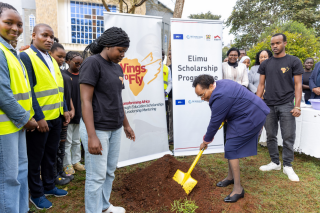
Equity Group Foundation Board Member, Dr. Ruth Kagia plants a tree seedling during the 16th Annual Education and Leadership Congress held at Alliance Girls High School. Equity Group Foundation (EGF) is hosting the Annual Education and Leadership Congress for 4,404 Wings to Fly and Elimu scholars across the country, during the August school holidays, including 3,402 refugee scholars from Dadaab and Kakuma. The experience is designed to transform how scholars approach daily decisions, equipping them to generate meaningful change in their academic journeys, personal growth, and community impact. To date, 60,009 scholars, (22,009 Wings to Fly Scholarships and 38,000 Elimu) have benefited from these programs, receiving full scholarships and mentorship support throughout their secondary education journey.
Equity Group Foundation (EGF) is hosting its 16th Annual Education andLeadership Congress for 4,404 Wings to Fly and Elimu scholars across the country, during the Augustschool holidays, including 3,402 refugee scholars from Dadaab and Kakuma.Held under the theme “The Innovation Generation: Igniting Ideas, Creating Impact,” the two-dayregional congress aims to empower scholars through mentorship, leadership development, and socialtransformation. The program is implemented by Equity Group...

Sinotruk, known for its affordable quality trucks in the tipper and prime mover segments, is expanding its offerings by introducing light and medium duty vehicles aimed at strengthening its market dominance across the segment. The trucks which include the Sinotruck H2 (light duty) and H3 (medium duty) models are set to revolutionize the transportation industry. These models offer higher payload capacities and larger fuel tanks, reducing the need for frequent refueling and enabling longer hauls, which translates to overall fuel cost savings. Additionally, they are affordable with higher horsepower, delivering strong performance, with enhanced driver comfort and additional features such as air suspension seats and sleeper cabins. With proven reliability and long-term durability, these trucks stand out as leading options in the light and medium-duty truck categories. Speaking during the launch ceremony, Sinotruk General Manager, Mr. Sarfraz Premji said, “Investing in Sinotruck by CFAO for our customers means that they will be getting a truck that delivers everything that matters for their business, which is more power, efficiency, durability, comfort and supported by a trusted aftersales network across the country. The launch of these models will cater for both the last-mile delivery and the heavy load delivery in addition to long haulage.” The Sinotruck H2 light duty truck can carry a higher payload, provide drivers comfort and be fuel efficient. It is equipped with a 160-horesepower engine, a fuel tank capacity of 120 liters and a full air braking system. The vehicle is suitable for transporters, bakeries, FMCG distributors, flour millers’ wholesalers, exporters, manufacturers among others. On the other hand, the Sinotruck H3 medium duty truck can carry a bigger load capacity by having a reinforced double chassis which provides greater strength and rigidity that can operate in highly challenging environments. It also caters for the drivers’ comfort, especially for long-distance haulage and its ideal for sand harvesting, water bowsers, hardware stores, contractors, horticulture, construction among others. CFAO Mobility Managing Director, Arvinder Reel commented, “Transport and logistics costs in Kenya remain relatively high, driven largely by rising maintenance and fuel expenses leading to shrinking profit margins for businesses. Today, we deliver an unmatched value proposition as these trucks will deliver the best value in higher return on investment for your business.” “CFAO Mobility has consistently demonstrated a customer-centric approach by actively listening to feedback and delivering innovative solutions. This initiative aligns with both companies’ commitment to affordability, operational excellence, and improved service accessibility and customers can take advantage of its extensive branch network for spare parts and reliable after-sales support countrywide,” he added. CFAO Mobility, in partnership with Equity Bank, is making truck ownership more accessible to customers by offering up to 90% financing, a 60-month repayment period, a 60-day moratorium, and working capital of up to KShs 1 million. In addition, to further enhance value, the first 200 customers will receive a 1-year or 50,000 km free service package, underscoring CFAO Mobility’s strong after-sales commitment. Customers will also benefit from free driving training, ensuring the motorists are well-equipped to operate the vehicles safely and efficiently. Recently, Sinotruk International and Kenya Vehicle Manufacturers (KVM) signed a Memorandum of Understanding that marked the beginning of a strategic collaboration aimed at boosting the local assembly of Sinotruk vehicles in Kenya. The move is to significantly reduce delivery times, improve product availability, and enhance aftersales support for customers across Kenya.
Sinotruk, known for its affordable quality trucks in the tipper and prime mover segments, is expanding its offerings by introducing light and medium duty vehicles aimed at strengthening its market dominance across the segment. The trucks which include the Sinotruck H2 (light duty) and H3 (medium duty) models are set to revolutionize the transportation...
High Court in Nairobi rejects Paradigm Initiative's bid to join Data Protection Case as Friend of Court
An application by Paradigm Initiative (PIN) to participate in a data protection case against X Corp (formerly Twitter) as an Amicus Curiae (Friend of the Court) has been dismissed by the High Court in Nairobi. In the case before the court, the petitioner, Felix Kibet,  sued X Corp, the Attorney General, the Communication Authority...
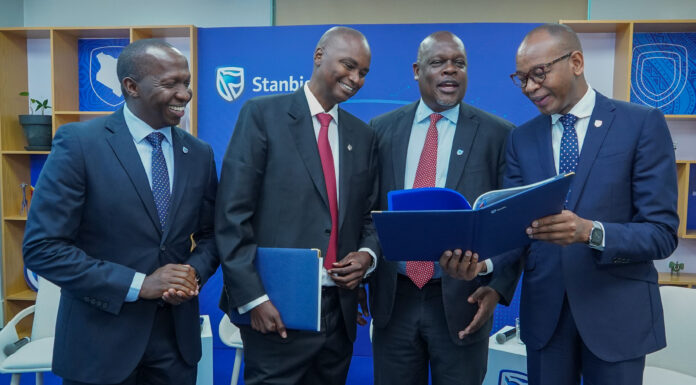
Stanbic Holdings Plc (“the Company”) has posted a Profit After Tax (PAT) of KES 6.5 billion and delivered a return on equity of 17.4% in the half year ended 30th June 2025. Stanbic Holdings PLC’s performance for the period was underpinned by resilient non-interest revenue generation and lower credit impairment charges, which helped cushion the impact of a decline in net interest income. The listed lender, with operations in Kenya and South Sudan, noted that while year-on-year organic growth remained subdued, its continued focus on operational excellence and robust risk management enhanced its fortitude and strengthened its long-term growth outlook. During the period, Stanbic recorded a 9% increase in active clients, driven by the continued optimization of its products and digital platforms. This growth, coupled with targeted client support initiatives, strengthened the Bank’s credit position, contributing to a 4% expansion in the balance sheet from the December 2024 closing position. Speaking on the half-year performance, Dr Joshua Oigara stated, ‘’ The Kenyan economy remained stable amidst persistent headwinds. Nonetheless, some pressures persist as evidenced by sluggish private sector credit uptake, high fiscal deficits and geopolitical risks. Our focus in this period was largely on supporting our clients navigate shifting market conditions, while fortifying our growth through robust risk management, capital strength and well managed liquidity levels. We believe that our business will continue to demonstrate resilience and keep momentum even as the market continues to post recovery.’ During the reporting period, all four business lines demonstrated robustness and strategic execution. Corporate and Investment Banking played a key role in facilitating a new USD 1.5 billion Eurobond issuance, Tender Offer for the Republic of Kenya, reinforcing our leadership in sovereign advisory. Business and Commercial Banking continued to support the real economy, disbursing KES 16.4 billion in loans to SMEs across various sectors. Personal and Private Banking achieved a fourfold increase in scheme disbursements, reflecting growing client demand and effective distribution. We also made significant strides in digital banking, with the enhancement of our Omni Channel mobile app, introducing key features that drove active users beyond 100,000 mark. The Insurance and Asset Management business maintained positive momentum, with assets under management surpassing KES 4 billion (in nine months since launch), underscoring the strength of our diversified financial services offering. Notably, Stanbic Bank, the Company’s main subsidiary, was ranked among the top 5 banks in SME lending by the Kenya Banker’s Association, with the lender allocating capital to impact sectors, including agriculture, manufacturing, and trade, delivering both returns and national development outcomes in the first half of the year. The Bank was also awarded the 2nd runners up on the Best Bank to Borrow from and Best Bank in Mortgage Finance at the Think Business Awards. Commenting on the performance, Dennis Musau, Chief Financial and Value Officer said, ‘’ Our H1 2025 results signal steady progress, anchored in a stable macroeconomic climate and recovering private sector credit growth. Commercial lending to the private sector grew by 2.0% in May, up from a contraction of 2.9% in January—signalling a rebound in demand alongside easing interest rates. We continue to refine our strategic focus, leveraging our core strengths to unlock long-term value and deliver sustainable returns for our shareholders in an evolving market landscape.’’ The Bank recorded an NPL ratio of 9.5%, which is below industry levels at 17.6%, and representative of a healthy asset book. ‘’ Credit quality is a priority for us, which is why we have adopted a proactive, data-led approach to managing risk. We have strengthened our credit assessment frameworks and developed sector-specific models that enable us to better anticipate and support clients during volatile cycles," Musau added. The Bank also reduced its lending rates by 180bps cumulatively in response to Kenya’s easing monetary policy stance. Financial Performance Summary: During the first half of 2025, Stanbic Holdings Plc delivered a robust performance amidst a dynamic operating environment, with key highlights as follows: Profit after tax declined by 9% to KES 6.5 billion, largely impacted by lower net interest income and elevated operating expenses, primarily due to prior year base effects. Trading revenue contracted by 7%, reflecting the impact of narrower margins in the current period. Customer numbers grew by 9%, driven by effective market positioning and continued investment in customer experience. Other non-interest revenue excluding trading revenue rose by 9%, supported by higher customer transaction volumes and a more diverse suite of product offerings. Operating expenses increased by 16%, attributable to 2024 base effects, driven by the appreciation of the Kenya Shilling as well as investments in long-term strategic initiatives. The cost-to-income ratio stood at 48.1%, reflecting a contraction in total income alongside elevated cost levels. Credit impairment charges decreased by 26%, underlining enhanced risk management practices and improved credit portfolio quality. Customer deposits closed at KES 330 billion, a 4% increase from December 2024, while loans and advances stood at KES 233 billion, representing a 1% growth over the same period. The NPL ratio remained at 9.5%, as the Bank continues to prioritize asset quality and proactive credit management. The Bank recorded a Return on Equity (ROE) of 17.37%, supported by active capital and liquidity management across the portfolio. Strengthening Impact and Delivering Value – H1 2025 Highlights Stanbic Bank continued to advance its sustainability agenda during the first half of 2025, directing funding and capacity-building efforts across four key impact areas: enterprise growth and job creation, infrastructure development and a just energy transition, climate change mitigation and adaptation, and financial inclusion. Key sustainability achievements include: Issuance of KES 4.5 billion towards green infrastructure projects Lending of KES 1.2 billion to support climate-smart agriculture Disbursement of KES 900 million under the affordable housing program enabling over 200 new homeowners Facilitation of KES 94.8 billion in trade loans, driving economic activity Planted 30k trees as part of climate change mitigation Through the Stanbic Kenya Foundation, the Group deepened its social impact via strategic partnerships with GIZ, the Bill and Melinda Gates Foundation, American Tower Corporation, and Microsoft Corporation. These collaborations supported job creation, financial inclusion, and youth empowerment. Notably, the Foundation disbursed KES 24 million in catalytic loans to MSMEs and delivered financial literacy and entrepreneurship training to over 33,000 women entrepreneurs across Kenya. In recognition of this performance and commitment to shareholder returns, the Group has recommended an interim dividend of KES 3.80 per share, marking a 106.5% increase year-on-year.
Stanbic Holdings Plc (“the Company”) has posted a Profit After Tax (PAT) of KES 6.5 billion and delivered a return on equity of 17.4% in the half year ended 30th June 2025. Stanbic Holdings PLC’s performance for the period was underpinned by resilient non-interest revenue generation and lower credit impairment charges, which helped cushion...
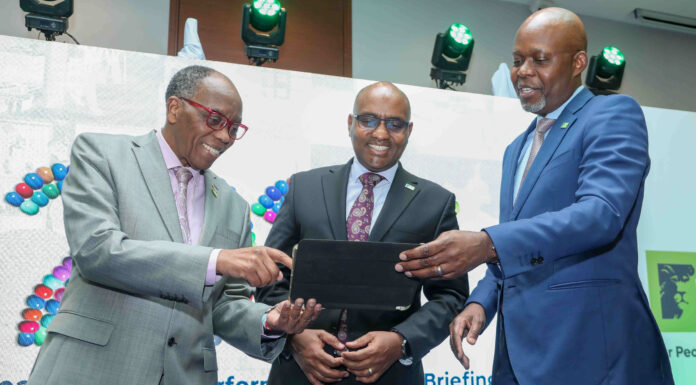
KCB Group PLC delivered strong financial results in the first half of 2025 driven by growth in earning assets, amid a difficult operating environment. The Group sustained its focus on deepening and leveraging regional scale to catalyse ongoing economic transformation and deliver value to shareholders, customers and other stakeholders. As a result, the Board of Directors has recommended an interim dividend of KShs.2.00 per share for the 2025 period and a further special dividend of KShs 2.00 per share (in relation to the sale of National Bank of Kenya). This means shareholders will get a payout of KShs.13 billion, the largest interim payment and first ever special dividend in the Bank’s history. Profit after tax grew 8% from KShs.29.9 billion to KShs.32.3 billion as all business franchises posted higher earnings, riding on customer-focused initiatives. Commentary from Group Chief Executive Officer Paul Russo “The business across markets remains resilient despite the tough operating environment in key markets like Kenya. Despite this, we have placed our customers at the fore, to ensure we meet their needs in a timely manner” said Paul Russo, the Group Chief Executive Officer during the release of the results on Wednesday. Subsidiaries outside KCB Bank Kenya continued to turn in stronger performance, with their profit before tax making up 33.4% of the overall Group earnings, and 31.4% of the balance sheet. PBT contribution from non-banking entities—KCB Investment Bank, KCB Asset Management and KCB Bancassurance Intermediary Limited was up to 2.1% from 1.8% a similar period last year. Total assets remained stable at KShs1.97 trillion, despite the sale of NBK in the second quarter of the year, demonstrating the Group’s capacity and capability to support its customers across the seven countries where KCB operates in.
KCB Group PLC delivered strong financial results in the first half of 2025 driven by growthin earning assets, amid a difficult operating environment.The Group sustained its focus on deepening and leveraging regional scale to catalyseongoing economic transformation and deliver value to shareholders, customers and otherstakeholders.As a result, the Board of Directors has recommended an interim dividend of...

MOST POPULAR

HOT NEWS