|
Economists, Researchers and Policymakers Examine the Appropriate Course of Actions that African Governments can Pursue to Manage the Effects of the Pandemic and Post-Covid19 Economic Recovery
|
|
African Economic Research Consortium (AERC) (https://AERCAfrica.org) will host its 53rd Plenary Session on the theme on the “Impact of Covid-19 Pandemic and Public Finance in Africa – Challenges and Opportunities” on December 7, 2020. The sessions will be held virtually where researchers, academics, policy makers, and non-state actors will discuss the impact of COVID-19 on Public Finance in Africa in terms of the challenges ahead and opportunities afforded. The official opening of this session will be by Hon. Dr. Thapelo C. Matsheka, Minister of Finance and Economic Development, Botswana and the Policy Panel led and chaired by Honorable Zainab Shamsuna Ahmed, Minister of Finance of Nigeria where leaders of Central Banks and Revenue Authorities will be represented.
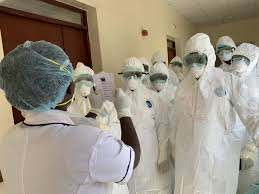
 “While the African continent has registered relatively lower deaths from the Covid-19 pandemic, most countries have put in place a wide range of restrictions on businesses operations and mobility of people to contain the spread of the virus and has impacted negatively on economic activities. The growth outlook for 2020 for Africa hovered around 3.2% before the pandemic struck, which is one of the lowest since 2013. Thus, growth and the capacity for growth in African economies was already fragile. What is less emphasized in these perilous times is Africa’s weak capacity of health care systems and the health care infrastructure beyond the governance issues that have emerged. These are all likely to exacerbate the pandemic and will have very negative impact on the African economies, thus reversing the gains of poverty reduction and human capital developments that have been achieved in the last 20 years”, said Professor Njuguna Ndung’u, AERC’s Executive Director. During the session, Dr Rabah Arezki, Chief Economist and Vice President for African Development Bank, will deliver the keynote speech on COVID-19 Impact on Public Finance in Africa: Challenges and Opportunities for African economies. The plenary will feature presentations by lead academics and experts in the field. These include:
The policy Panel:
In the lead up to the plenary session, AERC will host the Binannual Research Workshop Concurrent sessions from Monday, 23 November – Friday, 27 November 2020, which will include five parallel Thematic Groups that cover the focal areas of AERC’s thematic research programme; the pilar for capacity building through research:
We shall have up to 70 papers presented during these concurrent sessions, each addressing different policy issues. This workshop is basically a capacity building event intended to sharpen participants’ research skills. You can join these discussions using the link provided. |