|
Geothermal, hydro and bioenergy projects are being launched, and intercontinental electricity markets are being developed
|
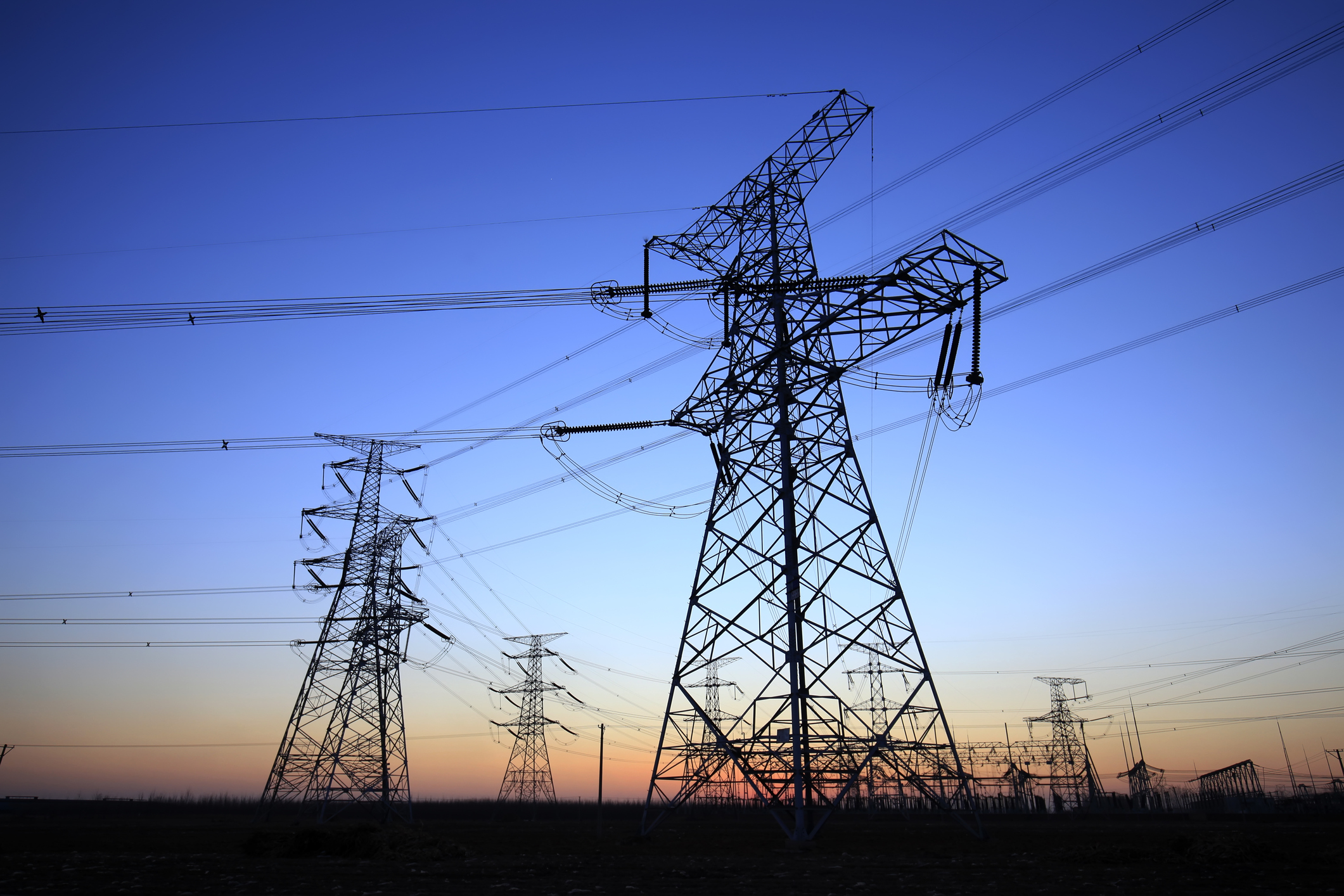
 A host of energy development initiatives designed to increase energy access and improve livelihoods are coming online across Africa and are scheduled to be showcased at Africa Oil Week (Africa-OilWeek.com) 2021 in November in Dubai – a temporary move for this major annual event as a COVID-19 precaution, ahead of its scheduled return “home” to its usual venue in Cape Town South Africa from 2022. Geothermal, hydro and bioenergy projects are being launched, and intercontinental electricity markets are being developed. Their impact will further human development and enhance economic prospects throughout the continent. The African Union (AU) is behind much of this growth; its Agenda 2063 includes plans to transform Africa into the global powerhouse of the future. A specialised agency of the AU, the African Energy Commission (AFREC), has been mandated to co-ordinate energy policy in Africa, and is working with the Organisation of Petroleum Exporting Countries to address energy poverty, climate change and other energy challenges. Energy transition “As partners, we should start looking at opportunities that will diversify the available energy resources, take advantage of renewable resources, and reduce dependence on oil as part of the continent’s energy transition, while simultaneously augmenting our approaches,” says Rashid Ali Abdallah, AFREC’s Executive Director. Other initiatives to increase access to energy include the launch of the African Single Electricity Market (AfSEM), the world’s largest continent-wide energy trading programme. AfSEM promises to be the most cost-efficient response to the growing demand for electricity in Africa. It aims to connect all 55 AU member states through an efficient, affordable and sustainable electricity market that will serve the needs of over 1.3 billion Africans. Dr Monique Nsanzabaganwa, Deputy Chairperson of the African Union Commission (AUC), has called on AU member states to integrate AfSEM into their national development plans. “It is important that AU member states take ownership for the development and implementation of these continental initiatives,” she says. “This is necessary to ensure access to reliable energy services, as well as to provide the necessary policy and financial instruments for one continental electricity market and one continental interconnection grid at all levels.” The AUC’s Commissioner for Infrastructure and Energy, Her Excellency, Dr. Amani Abou-Zeid, has confirmed her attendance at AOW 2021. EU, China support The partners and investors behind these developments include the likes of the European Union (EU) and China. While the EU supported the preparation of the AfSEM policy paper, roadmap and governing structure, China is continuing to invest in and provide loans for various energy infrastructure projects, including extractive activities, power generation facilities, traditional and renewable energy sources, and transmission and distribution networks. In 2020, Chinese-owned companies and banks spent billions of dollars financing African energy infrastructure projects, including a gas pipeline in Nigeria, and other smaller projects in Lesotho, the Ivory Coast and Rwanda. These activities combined are set to transform energy in Africa, and will have a beneficial ripple effect beyond this sector and into a host of socio-economic areas. As the continent continues this journey, further strategic, technical and financial support will be critical. |