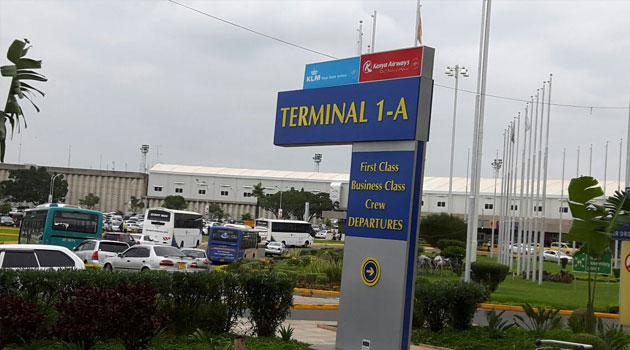

omo Kenyatta International Airport (JKIA) is set for a major capacity expansion under a new Integrated Master Plan that aims to raise annual passenger handling to 15 million as traffic continues to outpace existing infrastructure.
Under the plan, a new terminal complex will be developed in two phases, adding capacity for 10 million passengers in Phase I and a further 5 million in Phase II.
The airport handled 8.6 million passengers in 2024 and 8.8 million in 2025, already exceeding its current annual capacity of 8 million.
The blueprint, presented by Kenya Airports Authority (KAA) to the Kenya Aviation Workers Union (KAWU), also proposes construction of a new runway by 2029 and expansion of airfield capacity to handle up to 63 aircraft movements per hour, up from the current 14.
Officials say passenger numbers have been rising by roughly one million annually, meaning existing facilities could become insufficient within the next three years if upgrades are not undertaken.
Beyond terminal development, the Master Plan outlines phased infrastructure investments, including landside upgrades to improve access, circulation and operational efficiency.
The expansion will be carried out in stages to minimize disruption, with existing terminals rehabilitated and optimized during the transition.
Authorities argue the modernization is critical to maintaining JKIA’s position as a regional aviation hub, boosting cargo and passenger traffic, and supporting airport-linked businesses.
However, financing, execution timelines and coordination with stakeholders will be key to delivering the project without operational setbacks.