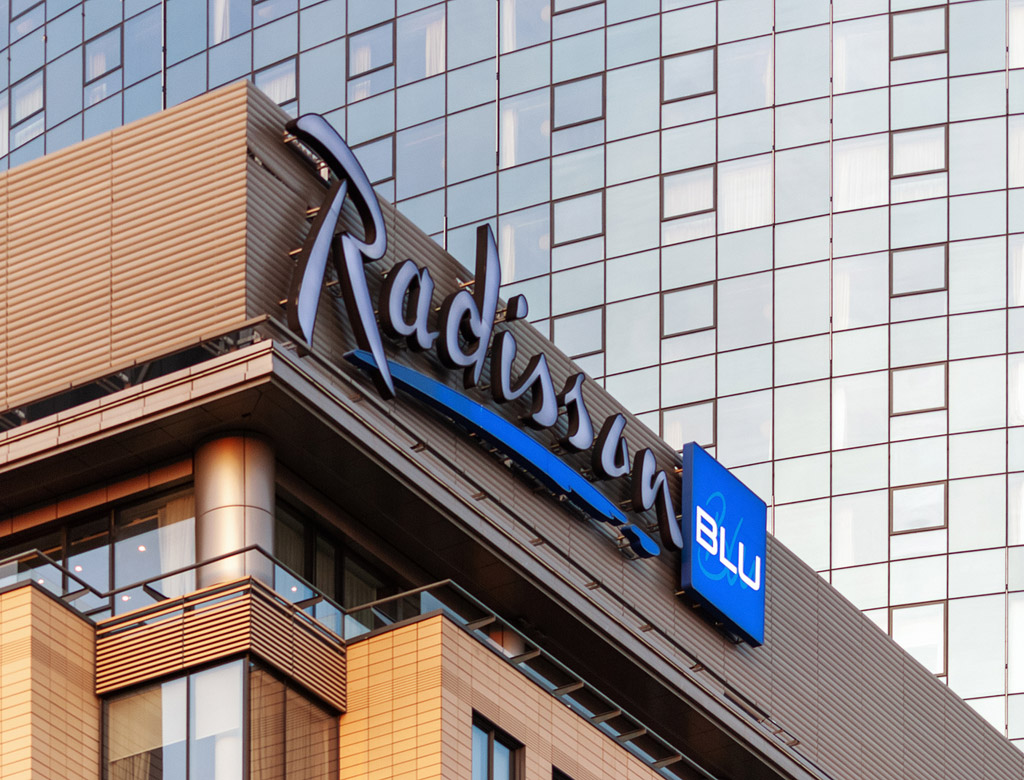
Radisson Hotel Group has reached a significant milestone in Africa, with more than 100 hotels across the continent in operation and under development. Radisson Blu continues to anchor the legacy footprint. At the same time, the Radisson brand is the fastest riser, supported by a strong conversion engine and a concrete pipeline that continues to translate into openings. Building on this momentum, the Group has signed over 15 new hotels and roughly 2,500 rooms in the last 12 months, including new market entries in the Democratic Republic of Congo and Zimbabwe. This week, Radisson Hotel Group is also attending FHS Africa (www.FutureHospitality.com) in Nairobi, reinforcing its commitment to expanding its presence and strengthening strategic partnerships across the continent.
Over the past five years, Radisson and Radisson Blu have ranked among the most signed brands in Africa, with one of the highest shares of cumulative openings. The last 12 months set a new benchmark with more than 2,500 rooms signed and multiple market entries. Priority growth markets remain Morocco, South Africa, and Nigeria, where the Group is deepening its presence and widening its brand distribution.
Ramsay Rankoussi, Regional Chief Development Officer, Radisson Hotel Group, commented: “We’ve crossed the 100-hotel mark in Africa by staying true to our plan, focusing on where we can lead, moving fast on quality conversions, and partnering with owners who share our ambition. The next phase is about depth in Morocco and Nigeria, a smarter footprint in South Africa, and a stronger resort offering that matches where travelers want to go. Our pipeline is built to open, not just to announce. That is why our conversion share is high, our time to market is short, and our brands are gaining ground in the cities and resort destinations that matter most.”
Nigeria shows the model’s resilience. The Group now holds a strong position in the country with 13 hotels in operation and pipeline, while Abuja is carrying a significant active pipeline with three hotels totaling 458 keys.
South Africa is being reshaped with priorities in Cape Town, targeted growth in secondary cities such as Durban and Pretoria, and a sharper focus on leisure corridors that include Kruger National Park, Sun City, and the Garden Route. The Group plans to enter Zanzibar and is considering lodge, safari, and affiliation opportunities across Namibia, Botswana, and Zambia to meet the rising demand for nature-led experiences.
Conversions remain a core lever for scale and speed. In the last five years, more than 15 hotels, equal to almost 3,000 rooms, joined the portfolio through conversion. This helped the Group lead openings across the continent while keeping brand standards high and owners in mind.
Recent signings show the extensiveness of this strategy, with a balanced pipeline of city hotels, resort destinations, and quick-to-market conversions. These signings span the Democratic Republic of Congo, Nigeria, Zimbabwe, and Morocco, including Radisson Blu Kinshasa and three Radisson hotels in Lubumbashi, Radisson Harare, Park Inn Victoria Falls, Radisson Collection Lagos Atlantic, as well as new additions in Casablanca with Radisson Blu Resort & Conference Center Bouskoura, a first Radisson brand hotel in Rabat, and further expansion in Marrakech. Key signings include:
Democratic Republic of the Congo
Radisson Blu Hotel, Kinshasa
Upper-upscale flagship in Gombe
Opening late 2026. Set on Boulevard Colonel Tshatshi in the Gombe district, the hotel will offer 110 keys, including suites and a Presidential Suite. Guests can choose from a lobby bar, an all-day dining restaurant, and a pool bar. Wellness includes a gym, massage rooms, and an outdoor pool with a terrace. Meetings and events feature a modern event hall with a pre-function area. The address is well connected, 32 kilometers from N’djili International Airport, 10 kilometers from N’Dolo Airport, and 6 kilometers from Gare Centrale.
Radisson Hotel Lubumbashi
Panoramic city stay in the DRC’s second city
Opening mid-2027. Located on Revolution Road Avenue, the hotel will feature 97 keys, including junior suites and a Presidential Suite. Dining spans a lobby bar, an all-day dining venue, and a rooftop bar and grill with city views. Three flexible meeting rooms and a pre-function area support business and social events. Facilities include a gym and a swimming pool. The location sits near Kipopo Lake, Lubumbashi Golf Club, and La Plage, and is 12 kilometers from Luano International Airport.
Radisson Blu Apartments Lubumbashi
Upscale apartment living in Lubumbashi’s prestigious Quartier Golf
Targeted for 2030. A 160-room property located in Quartier Golf, one of Lubumbashi’s most upscale residential districts, near Kipopo Lake and surrounded by luxury homes and key landmarks including Lubumbashi Golf and La Plage. Planned amenities include a specialty restaurant and bar, a pool bar, and a gym, offering a premium stay experience for extended-stay and leisure travelers.
Radisson Airport Hotel Lubumbashi
A strategically located airport hotel designed for ease and connectivity
Set to open in 2028, this 105-room property will be located just 6 kilometers from Luano International Airport, around a 10-minute drive, making it well positioned for business travelers, transit guests, and airline crews. Planned facilities include a restaurant, lobby bar, pool bar, meeting rooms, and a swimming pool, combining practicality with a welcoming hospitality experience close to the airport.
Egypt
Radisson Resort Ain Sokhna Groove
A large-scale Red Sea resort in one of Egypt’s growing leisure destinations
Planned for 2029, Radisson Resort Ain Sokhna Groove will offer 469 rooms, including 50 family rooms, as part of The Groove Ain Sokhna mixed-use development. Located along the Red Sea coast, around 30 kilometers south of Ain Sokhna and approximately 150 kilometers from Cairo, the resort is expected to feature private beach access, a spa, gym and fitness center, several restaurants, plus a ballroom and meeting rooms, catering to both holidaymakers and events demand.
Radisson Serviced Apartments COY Sheikh Zayed City
Flexible extended-stay accommodation in a fast-growing hub of Greater Cairo
Expected to open in 2030, this 120-key serviced apartments property, including six one-bedroom units, will form part of the COY development in Sheikh Zayed City. With a location just 13 kilometers from Sphinx International Airport and 14 kilometers from the Great Pyramids of Giza, the development sits close to major commercial, leisure, education, and healthcare destinations. Planned amenities include a coffee lounge, bar, kiosk, and meeting and event space integrated into the wider co-working environment.
Morocco
Radisson Blu Hotel & Conference Center, Casablanc a Bouskoura
Conference-ready address beside Palm Golf
A 119-key hotel with eight suites, a rooftop restaurant, and a dedicated conference center. Event facilities include two boardrooms, while a spa and a large outdoor pool cater to leisure travelers. The hotel is located 20 kilometers from Mohammed V International Airport and next to Palm Golf Palmeraie Country Club.
Radisson Hotel & Apartments Rabat Technopolis
Dual-component hub in the capital’s innovation park
A two-building project in Technopolis, 25 minutes from central Rabat. The hotel will offer 140 rooms, four dining venues, a pool, and a meeting and events space. The adjacent serviced apartment building adds 56 units. Technopolis connects businesses with leading education and research centers, creating a strong base for corporate demand.
Radisson Blu Resort Marrakech Ben Akil
Low-rise bungalows with views of Atlas Mountains
Opening early 2028. A 17-hectare estate featuring 80 bungalow-style accommodations, each with an outdoor terrace. Larger typologies include private pools. The resort sits beside Royal Golf Marrakech and is a 15-minute drive from the city center.
Nigeria
Radisson Hotel Aba
A new internationally branded hospitality destination for Aba
Targeted for 2031, Radisson Hotel Aba will introduce 120 rooms, including six junior suites, in a prime riverside location along the Aba River near key transport corridors. The hotel will become the first Radisson-branded property in Aba and the Group’s third branded hotel in Nigeria. Plans for the hotel include a gym, swimming pool, and several meeting rooms, serving both business and local demand. Sam Mbakwe International Airport in Owerri is approximately 56 kilometers away, or a 1 hour and 10 minute drive.
Radisson Hotel & Conference Center Yenagoa
A conference-focused hotel in the heart of an emerging Nigerian business center
Scheduled for 2027, the property will feature 196 rooms, including 16 junior suites, four executive suites, and two Presidential Suites, in Yenagoa, a city that is steadily strengthening its role as an administrative and commercial hub in southern Nigeria. Located near government institutions, business districts, and Bayelsa International Airport, approximately 33 kilometers or 40 minutes away, the hotel is set to benefit from the area’s ongoing infrastructure and hospitality growth while meeting rising demand for accommodation, meetings, and large-scale events.
Radisson Collection Hotel, Lagos Atlantic
Refined lifestyle luxury on the oceanfront of Lagos’ leading business district
Targeted for 2029, Radisson Collection Hotel, Lagos Atlantic will feature 107 rooms, including 16 executive suites and one Presidential Suite, on a prime oceanfront site on Victoria Island. As Lagos’ main financial and commercial district, Victoria Island is home to multinational companies, corporate headquarters, embassies, and strong year-round business activity. Located approximately 33 kilometers from Murtala Muhammed International Airport, around a 45-minute drive, the hotel will mark the second Radisson Collection property in Lagos.
South Africa
Radisson Serviced Apartments Umhlanga
A modern serviced apartment offering in the heart of Umhlanga’s business district
Planned for 2029, Radisson Serviced Apartments Umhlanga will introduce 155 rooms in a newly built development within Umhlanga Ridge, one of the area’s most established commercial and lifestyle hubs. The property will be within walking distance of Gateway Theatre of Shopping and close to major office precincts, including Umhlanga Ridge Business Park, La Lucia Office Park, and Glass House Office Park. Comprising studios and apartments, the project is designed to meet growing demand for high-quality extended-stay accommodation in the district.
Zimbabwe
New market entry
Radisson Serviced Apartments, Harare
Prime Borrowdale address for extended stays
Targeted for end-2028. A 147-key serviced apartments project within a master development near Maxwell Road in Borrowdale. The neighborhood is known for luxury residences, upscale shopping at Sam Levy’s Village, and entertainment at Borrowdale Racecourse. Planned amenities include a café and bar, a gym with sauna, and a pool with a deck. Set to be the only internationally branded hotel apartment offering in the area.
Park Inn by Radisson Victoria Falls Resort
A resort destination near one of the world’s most iconic natural landmarks
Expected to open in 2029, Park Inn by Radisson Victoria Falls Resort will offer 150 rooms, including five suites, in a setting overlooking Zambezi National Park. Located just 5 kilometers from Victoria Falls, around a 10-minute drive, the resort will be ideally positioned near one of the Seven Natural Wonders of the World, a destination that attracts more than 350,000 international visitors each year. With year-round waterfall views, adventure tourism, and access to safari experiences in the surrounding national parks, the property will cater to both leisure travelers and tour groups. Victoria Falls Airport is located approximately 22 kilometers, or a 23-minute drive, away.
Leading with the most diverse footprint across the continent, with presence in more than 30 African countries, Radisson Hotel Group blends depth in focus markets with selective entry into new destinations each year.




![Canon makes history with 170 Million lenses milestone Canon’s RF/EF lens production exceeds 170 million units, extending its world record in interchangeable lens production Both EF and RF lenses have gained strong support from a wide range of users—from beginners to professionals—leading to steady growth in production volume Canon Inc. announced that, in October 2025, Canon reached a historic milestone of producing a cumulative total of 170 million RF and EF interchangeable lenses for its EOS series, extending its world record for the highest number of interchangeable camera lenses ever produced. The EF lens was introduced in 1987 as the dedicated lens system for Canon’s EOS autofocus single-lens reflex film camera, debuting simultaneously with the EOS system itself. Since their inception, EF lenses have led the industry by incorporating a series of world-first technologies, including the Ultrasonic Motor (USM), Image Stabilizer (IS) technology, and a multilayered Diffractive Optical (DO) element, and have undergone numerous evolutions. In 2018, Canon launched the RF lens series, designed for the EOS R mirrorless camera system, which features a large aperture, short back focus, and high-speed communication system to deliver even higher image quality. The RF and EF lens series lineup now includes a total of 108 models , covering a wide range of focal lengths from ultra-wide 10mm to super-telephoto 1200mm. The series also includes the world’s first VR lens lenses with built-in power zoom suited for video shooting, and even those compatible with power zoom adapters—expanding the scope of creative expression and meeting the diverse needs of users for both still photography and video. EF lens production began at Canon’s Utsunomiya Plant in 1987. Since then, both EF and RF lenses have gained strong support from a wide range of users—from beginners to professionals—leading to steady growth in production volume. Today, Canon manufactures lenses at five sites: Utsunomiya Plant; Canon Inc., Taiwan; Canon Opto (Malaysia) Sdn. Bhd.; Oita Canon Inc.; and Miyazaki Canon Inc. Milestones include 10 million units produced by 1995 and 50 million by 2009. Then in 2014, Canon became the first company in the world to reach 100 million interchangeable camera lenses produced. In October 2025, the company reached 170 million units, leading to the achievement of this world record. The 170 millionth lens produced was the RF 70-200mm F2.8 L IS USM Z. Canon has maintained the No.1 global market share for digital interchangeable-lens cameras for 22 consecutive years since 2003. Moving forward, Canon will continue to refine its proprietary imaging technologies and further strengthen and expand its lens lineup, pioneering new imaging possibilities and contributing to the continued evolution of photographic and video culture. Highlights in the development of the RF/EF Lens Series The EF lens, which was introduced alongside EOS in March 1987, has adopted a variety of world-first technologies, including Image Stabilizer (IS) technology, featured in the EF 75-300mm f/4-5.6 IS USM released in 1995; a multilayered Diffractive Optical (DO) element, used in the EF 400mm f/4 DO IS USM launched in 2001; and Subwavelength Structure Coating (SWC) [7], applied to the EF 24mm f/1.4L II USM released in 2008. In 2021, Canon launched the EOS VR System, a VR video system consisting of a mirrorless camera [8], dedicated lens, and PC software, thereby creating a 3D 180° VR video through an interchangeable lens camera. In 2024, Canon began rolling out a new series of hybrid lenses equipped with iris rings, designed to meet the needs of both still photography and professional video production. For zoom lenses, the company has also launched RF 24-105mm F2.8 L IS USM Z and RF 70-200mm F2.8 L IS USM Z which are compatible with power zoom adapters. For single focus lenses, the company released F1.4 L hybrid prime lens series that unified the size and ring and button position across models. In September 2025, Canon launched RF 85mm F1.4 L VCM, the fifth model in this series, demonstrating that it can meet demands in line with the changing times. [1] Includes EF, EF-S, EF-M, EF Cinema, RF, RF-S, and RF Cinema lenses and extenders. As of October 21, 2025 (according to a survey by Canon) [2] Among SLR cameras (according to a survey by Canon) [3] Number of products sold as of October 22, 2025 (including extenders). The number of lens models for sale is different according to market figures. [4] Focal length is 5.2mm to 1200mm when including VR lenses [5] An interchangeable digital camera lens that enables VR footage with a single camera. Among interchangeable lens digital cameras released as of October 5, 2021 (according to a survey by Canon) [6] Refers to unit share (according to a survey by Canon) [7] A special coating with advanced anti-reflective properties [8] For applicable cameras, please visit the official Canon website *Release dates in this document refer to dates in Japan. Canon Central and North Africa (CCNA) is a division within Canon Middle East FZ LLC (CME), a subsidiary of Canon Europe. The formation of CCNA in 2016 was a strategic step that aimed to enhance Canon’s business within the Africa region - by strengthening Canon’s in-country presence and focus. CCNA also demonstrates Canon’s commitment to operating closer to its customers and meeting their demands in the rapidly evolving African market. Canon has been represented in the African continent for more than 15 years through distributors and partners that have successfully built a solid customer base in the region. CCNA ensures the provision of high quality, technologically advanced products that meet the requirements of Africa’s rapidly evolving marketplace. With over 100 employees, CCNA manages sales and marketing activities across 44 countries in Africa. Canon’s corporate philosophy is Kyosei – ‘living and working together for the common good’. CCNA pursues sustainable business growth, focusing on reducing its own environmental impact and supporting customers to reduce theirs using Canon’s products, solutions and services. At Canon, we are pioneers, constantly redefining the world of imaging for the greater good. Through our technology and our spirit of innovation, we push the bounds of what is possible – helping us to see our world in ways we never have before. We help bring creativity to life, one image at a time. Because when we can see our world, we can transform it for the better.](https://businessinsights.africa/wp-content/uploads/2026/05/1.-Canon-EOS-R50-Mirrorless-Camera-for-Beginners-1024x764-1-218x150.jpg)


![Canon makes history with 170 Million lenses milestone Canon’s RF/EF lens production exceeds 170 million units, extending its world record in interchangeable lens production Both EF and RF lenses have gained strong support from a wide range of users—from beginners to professionals—leading to steady growth in production volume Canon Inc. announced that, in October 2025, Canon reached a historic milestone of producing a cumulative total of 170 million RF and EF interchangeable lenses for its EOS series, extending its world record for the highest number of interchangeable camera lenses ever produced. The EF lens was introduced in 1987 as the dedicated lens system for Canon’s EOS autofocus single-lens reflex film camera, debuting simultaneously with the EOS system itself. Since their inception, EF lenses have led the industry by incorporating a series of world-first technologies, including the Ultrasonic Motor (USM), Image Stabilizer (IS) technology, and a multilayered Diffractive Optical (DO) element, and have undergone numerous evolutions. In 2018, Canon launched the RF lens series, designed for the EOS R mirrorless camera system, which features a large aperture, short back focus, and high-speed communication system to deliver even higher image quality. The RF and EF lens series lineup now includes a total of 108 models , covering a wide range of focal lengths from ultra-wide 10mm to super-telephoto 1200mm. The series also includes the world’s first VR lens lenses with built-in power zoom suited for video shooting, and even those compatible with power zoom adapters—expanding the scope of creative expression and meeting the diverse needs of users for both still photography and video. EF lens production began at Canon’s Utsunomiya Plant in 1987. Since then, both EF and RF lenses have gained strong support from a wide range of users—from beginners to professionals—leading to steady growth in production volume. Today, Canon manufactures lenses at five sites: Utsunomiya Plant; Canon Inc., Taiwan; Canon Opto (Malaysia) Sdn. Bhd.; Oita Canon Inc.; and Miyazaki Canon Inc. Milestones include 10 million units produced by 1995 and 50 million by 2009. Then in 2014, Canon became the first company in the world to reach 100 million interchangeable camera lenses produced. In October 2025, the company reached 170 million units, leading to the achievement of this world record. The 170 millionth lens produced was the RF 70-200mm F2.8 L IS USM Z. Canon has maintained the No.1 global market share for digital interchangeable-lens cameras for 22 consecutive years since 2003. Moving forward, Canon will continue to refine its proprietary imaging technologies and further strengthen and expand its lens lineup, pioneering new imaging possibilities and contributing to the continued evolution of photographic and video culture. Highlights in the development of the RF/EF Lens Series The EF lens, which was introduced alongside EOS in March 1987, has adopted a variety of world-first technologies, including Image Stabilizer (IS) technology, featured in the EF 75-300mm f/4-5.6 IS USM released in 1995; a multilayered Diffractive Optical (DO) element, used in the EF 400mm f/4 DO IS USM launched in 2001; and Subwavelength Structure Coating (SWC) [7], applied to the EF 24mm f/1.4L II USM released in 2008. In 2021, Canon launched the EOS VR System, a VR video system consisting of a mirrorless camera [8], dedicated lens, and PC software, thereby creating a 3D 180° VR video through an interchangeable lens camera. In 2024, Canon began rolling out a new series of hybrid lenses equipped with iris rings, designed to meet the needs of both still photography and professional video production. For zoom lenses, the company has also launched RF 24-105mm F2.8 L IS USM Z and RF 70-200mm F2.8 L IS USM Z which are compatible with power zoom adapters. For single focus lenses, the company released F1.4 L hybrid prime lens series that unified the size and ring and button position across models. In September 2025, Canon launched RF 85mm F1.4 L VCM, the fifth model in this series, demonstrating that it can meet demands in line with the changing times. [1] Includes EF, EF-S, EF-M, EF Cinema, RF, RF-S, and RF Cinema lenses and extenders. As of October 21, 2025 (according to a survey by Canon) [2] Among SLR cameras (according to a survey by Canon) [3] Number of products sold as of October 22, 2025 (including extenders). The number of lens models for sale is different according to market figures. [4] Focal length is 5.2mm to 1200mm when including VR lenses [5] An interchangeable digital camera lens that enables VR footage with a single camera. Among interchangeable lens digital cameras released as of October 5, 2021 (according to a survey by Canon) [6] Refers to unit share (according to a survey by Canon) [7] A special coating with advanced anti-reflective properties [8] For applicable cameras, please visit the official Canon website *Release dates in this document refer to dates in Japan. Canon Central and North Africa (CCNA) is a division within Canon Middle East FZ LLC (CME), a subsidiary of Canon Europe. The formation of CCNA in 2016 was a strategic step that aimed to enhance Canon’s business within the Africa region - by strengthening Canon’s in-country presence and focus. CCNA also demonstrates Canon’s commitment to operating closer to its customers and meeting their demands in the rapidly evolving African market. Canon has been represented in the African continent for more than 15 years through distributors and partners that have successfully built a solid customer base in the region. CCNA ensures the provision of high quality, technologically advanced products that meet the requirements of Africa’s rapidly evolving marketplace. With over 100 employees, CCNA manages sales and marketing activities across 44 countries in Africa. Canon’s corporate philosophy is Kyosei – ‘living and working together for the common good’. CCNA pursues sustainable business growth, focusing on reducing its own environmental impact and supporting customers to reduce theirs using Canon’s products, solutions and services. At Canon, we are pioneers, constantly redefining the world of imaging for the greater good. Through our technology and our spirit of innovation, we push the bounds of what is possible – helping us to see our world in ways we never have before. We help bring creativity to life, one image at a time. Because when we can see our world, we can transform it for the better.](https://businessinsights.africa/wp-content/uploads/2026/05/1.-Canon-EOS-R50-Mirrorless-Camera-for-Beginners-1024x764-1-100x70.jpg)